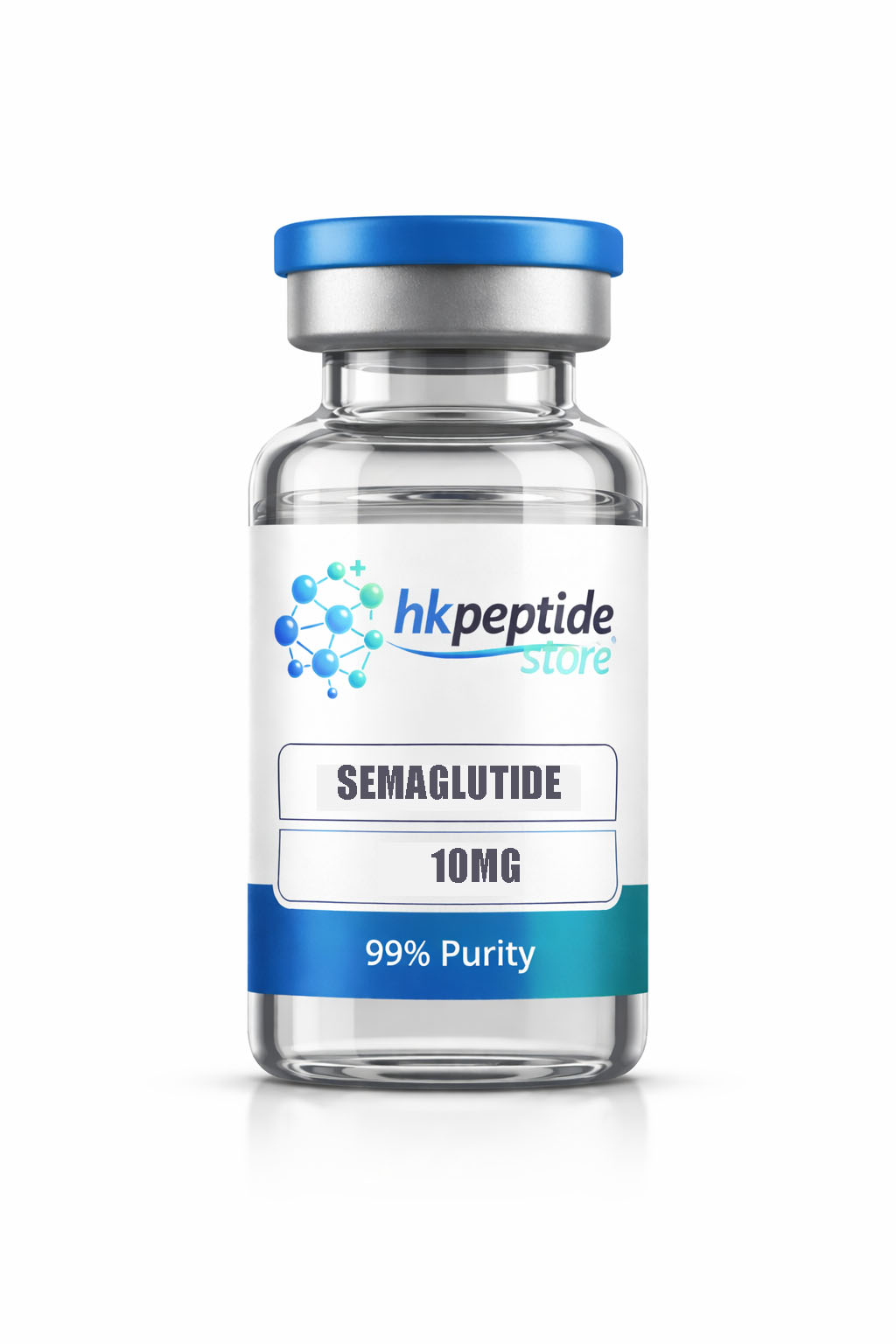
Semglutide 10mg
Original price was: $80.00.$74.00Current price is: $74.00.
Cost for 10 vials
Semaglutide 10mg is a premium GLP-1 receptor agonist research peptide developed for laboratory investigations involving metabolic biology, peptide signaling, endocrine communication, and receptor activation. Researchers frequently study Semaglutide alongside Survodutide 10mg, AOD-9604 10mg, MOTS-C 20mg, and Bac Water 10ml to support comprehensive metabolic peptide research protocols. This product is intended strictly for research purposes only and is not for human consumption, therapeutic use, veterinary use, or diagnostic applications.
Semaglutide 10mg Research Peptide Overview
Semaglutide 10mg is a high-purity GLP-1 receptor agonist research peptide manufactured exclusively for laboratory investigations involving peptide signaling, metabolic biology, endocrine communication, receptor activation, and molecular regulation. As one of the most extensively studied GLP-1 analogues, Semaglutide has become an important research compound for scientists investigating glucose metabolism, hormone signaling, and peptide-mediated biological pathways.
Researchers frequently utilize Semaglutide 10mg to investigate GLP-1 receptor signaling, metabolic regulation, peptide interactions, and endocrine biology under controlled laboratory conditions. Furthermore, scientists often compare experimental findings with Survodutide 10mg, AOD-9604 10mg, AOD-9604 5mg, and MOTS-C 20mg to evaluate complementary metabolic peptide research models. During laboratory preparation, researchers commonly use Bac Water 10ml or Bac Water 3ml to ensure standardized peptide handling procedures.
As peptide science continues to advance, Semaglutide remains a valuable research compound for investigations involving metabolic signaling, endocrine regulation, cellular communication, and receptor biology. Moreover, researchers frequently study Semaglutide alongside NAD 500mg, NAD 1000mg, CJC-1295 With DAC 5mg, and Ipamorelin 10mg to broaden laboratory research into interconnected biological systems. However, Semaglutide 10mg is supplied strictly for laboratory research purposes only and is not intended for human consumption, therapeutic use, veterinary use, or diagnostic applications.
Understanding Semaglutide
What Is Semaglutide?
Semaglutide is a synthetic glucagon-like peptide-1 (GLP-1) receptor agonist designed for scientific research. Researchers investigate this peptide because of its importance in GLP-1 receptor signaling, endocrine communication, metabolic biology, and peptide-mediated molecular regulation.
Additionally, scientists study Semaglutide to better understand receptor activation, intracellular signaling, and hormone-related biological pathways. Consequently, Semaglutide has become one of the most recognized research peptides in metabolic and endocrine laboratory studies.
Key Characteristics of Semaglutide
Semaglutide possesses a specialized peptide structure that supports investigations involving GLP-1 receptor activation and metabolic signaling pathways. Furthermore, researchers utilize this peptide to examine endocrine communication, molecular regulation, and cellular signaling mechanisms.
Because of these characteristics, Semaglutide continues to play a significant role in advanced peptide science.
Research Applications of Semaglutide 10mg
GLP-1 Receptor Research
Researchers commonly use Semaglutide 10mg to investigate GLP-1 receptor activation and peptide-mediated signaling pathways. These studies provide valuable insights into receptor biology and endocrine communication.
Furthermore, GLP-1 research continues contributing to advancements in metabolic peptide science.
Metabolic Biology Studies
Scientists frequently incorporate Semaglutide into laboratory investigations involving metabolic signaling, peptide communication, and molecular regulation. Consequently, researchers gain valuable information about biological signaling networks.
Moreover, these studies continue expanding scientific knowledge in peptide biology.
Endocrine Research
Researchers utilize Semaglutide to study endocrine signaling, receptor interactions, and hormone-related molecular pathways. Therefore, this peptide remains an important research tool for understanding endocrine biology.
Additionally, laboratories often compare findings with Survodutide 10mg, MOTS-C 20mg, and AOD-9604 10mg to strengthen metabolic research models.
Molecular Biology Investigations
Scientists frequently investigate Semaglutide in laboratory studies involving intracellular signaling, peptide interactions, and molecular communication. As a result, researchers continue improving scientific understanding of peptide-mediated biological regulation.
Key Characteristics of Semaglutide 10mg
High-Purity Research Peptide
Semaglutide 10mg is manufactured exclusively for laboratory research, ensuring exceptional purity, consistency, and reliability for scientific investigations.
Valuable GLP-1 Research Tool
Researchers value Semaglutide because it supports investigations involving GLP-1 receptor biology, metabolic signaling, endocrine communication, and molecular regulation.
Extensively Studied in Peptide Science
Scientists continue investigating Semaglutide across numerous research disciplines. Consequently, it remains one of the most recognized GLP-1 receptor agonists in laboratory research.
Suitable for Advanced Laboratory Applications
Researchers frequently incorporate Semaglutide into investigations involving metabolic biology, receptor activation, peptide signaling, and endocrine communication. Laboratories also investigate complementary compounds such as Survodutide 10mg, MOTS-C 40mg, NAD 1000mg, and Ipamorelin 10mg to create comprehensive peptide research protocols.
Storage and Handling Guidelines
Recommended Storage Conditions
Researchers should store Semaglutide 10mg according to the manufacturer’s recommendations to preserve peptide stability and maintain research quality. During preparation, laboratories commonly utilize Bac Water 10ml or Bac Water 3ml following accepted scientific procedures.
Laboratory Handling Procedures
Additionally, laboratories should follow established laboratory handling protocols. Proper preparation, storage, and documentation help ensure reliable experimental performance and reproducible research outcomes.
Why Researchers Choose Semaglutide 10mg
Scientists choose Semaglutide 10mg because it provides valuable opportunities to investigate GLP-1 receptor signaling, metabolic biology, endocrine communication, and molecular regulation. Moreover, its well-characterized peptide structure supports advanced laboratory studies involving receptor activation and biological signaling.
Furthermore, researchers appreciate its importance in metabolic peptide science. Consequently, Semaglutide is frequently investigated alongside Survodutide 10mg, AOD-9604 10mg, MOTS-C 20mg, NAD 1000mg, CJC-1295 With DAC 5mg, and Bac Water 10ml, allowing laboratories to establish comprehensive metabolic peptide research protocols.
Research Use Disclaimer
Semaglutide 10mg is supplied strictly for laboratory and scientific research purposes only. This product is not intended for human consumption, medical treatment, therapeutic applications, veterinary use, or diagnostic procedures. All research should be conducted by qualified professionals in properly equipped laboratory facilities.
Frequently Asked Questions
What is Semaglutide 10mg?
Semaglutide 10mg is a high-purity GLP-1 receptor agonist research peptide used in laboratory studies involving metabolic biology, endocrine signaling, receptor activation, and molecular regulation.
What research applications involve Semaglutide?
Researchers investigate Semaglutide for GLP-1 receptor signaling, metabolic biology, endocrine communication, molecular biology, and peptide interaction studies.
Which products are commonly researched alongside Semaglutide?
Scientists frequently compare Semaglutide with Survodutide 10mg, AOD-9604 10mg, MOTS-C 20mg, NAD 1000mg, and prepare research samples using Bac Water 10ml.
How should Semaglutide 10mg be stored?
Researchers should store Semaglutide according to the manufacturer’s recommendations to preserve peptide stability and maintain consistent laboratory results.
Is Semaglutide 10mg approved for human use?
No. This Semaglutide 10mg product is intended exclusively for laboratory research and is not approved for human consumption, therapeutic use, veterinary applications, or diagnostic purposes.
Be the first to review “Semglutide 10mg”
Related products
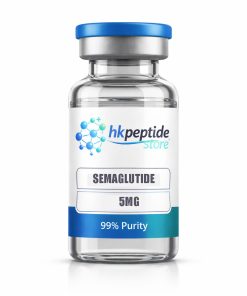
Pure Peptides
Pure Peptides
Pure Peptides
Pure Peptides
Pure Peptides
Pure Peptides
Pure Peptides
Pure Peptides
Reviews
There are no reviews yet.