5-Amino-1MQ Capsules: Research-Grade Specifications and Documentation
5-Amino-1MQ Capsules are a research-use-only product that presents the compound 5-Amino-1MQ (full chemical name: 5-amino-1-methylquinolinium) in convenient capsule form. Because this material is supplied strictly for laboratory and in vitro research, it is not intended for human or veterinary use. This page explains what researchers typically evaluate—purity, form, documentation, and handling—so you can decide whether this format suits your study design.
For laboratories that value clear specifications and traceable documentation, bulk research compounds from Bulk Buds Supply offer a practical starting point. Read on for a breakdown of specifications, the questions researchers ask most, and how to verify what you receive.
What Are 5-Amino-1MQ Capsules?
5-Amino-1MQ is a small synthetic molecule that has drawn interest in preclinical research settings, particularly in studies examining cellular metabolic pathways. The capsule format packages a measured quantity of the compound so that researchers can prepare solutions or suspensions according to their own protocols rather than weighing raw powder each time.
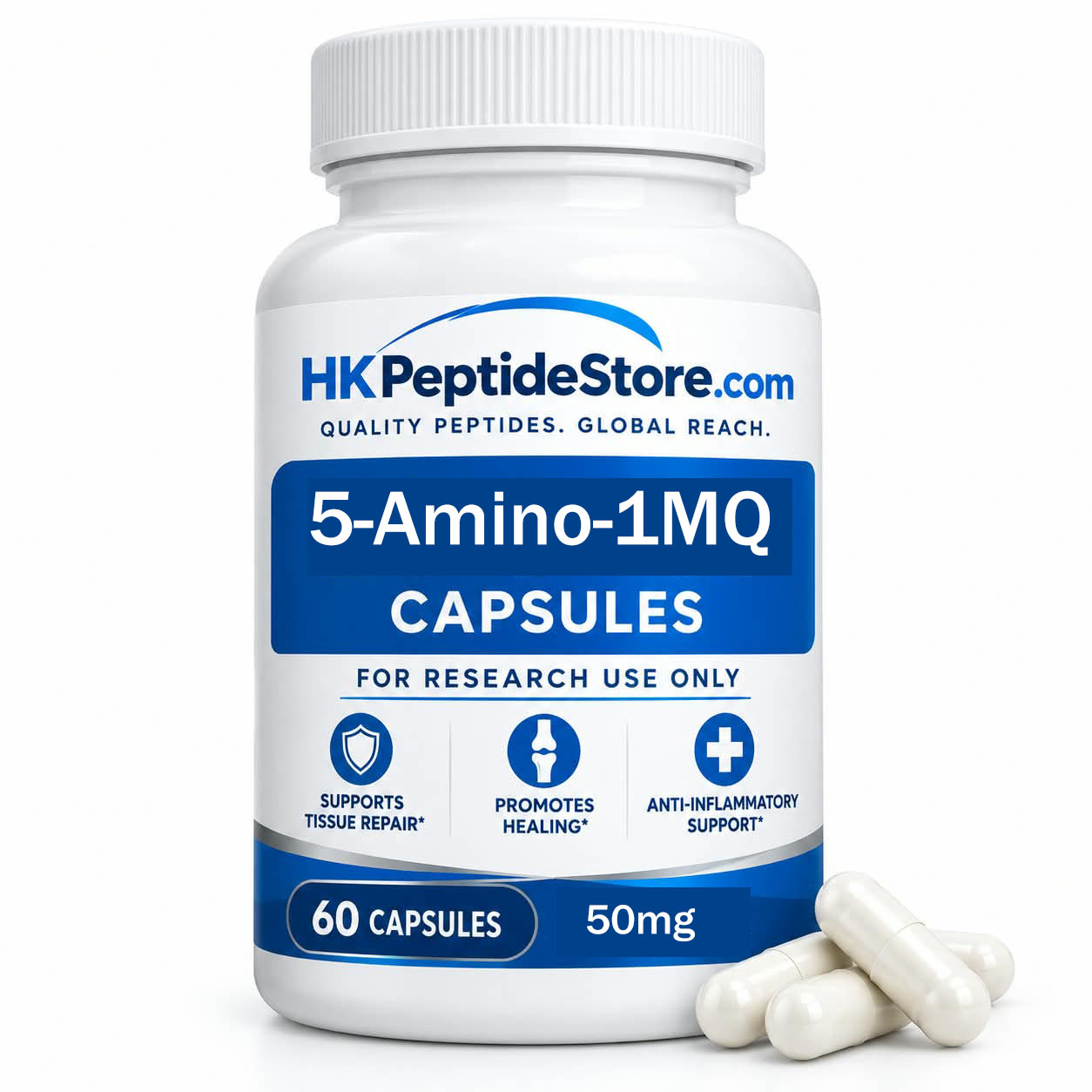
It helps to distinguish this product from related listings. A 5-Amino-1MQ Capsules 50mg presentation refers to a stated quantity per capsule, while bulk powder products are sold by total mass. Always confirm which format and quantity you are ordering, because the two require different handling and storage approaches.
Key Specifications at a Glance
Researchers comparing suppliers benefit from an explicit, at-a-glance view. The table below summarizes the typical characteristics associated with this capsule product. Confirm exact figures against the certificate of analysis (COA) for your specific lot before use.
| Attribute | Typical Detail |
|---|---|
| Compound | 5-Amino-1MQ (5-amino-1-methylquinolinium) |
| Form | Capsules |
| Stated strength | 50mg per capsule (verify per lot) |
| Intended use | Laboratory research only |
| Documentation | Certificate of analysis where provided |
| Storage | Cool, dry, protected from light |
Because specifications can vary between production runs, treat any general figure as a guide rather than a guarantee. The lot-specific COA is the authoritative source for identity, purity, and quantity.
Compound Identity and Form
Identity verification is the first checkpoint in any research workflow. A reliable supplier provides independent analytical confirmation—commonly high-performance liquid chromatography (HPLC) for purity and mass spectrometry for molecular identity. If a listing does not offer this documentation, that absence is itself useful information.
The capsule form also introduces excipients or fillers in many products. Ask what else is inside the capsule, since inactive ingredients can interfere with sensitive assays. Researchers who need a completely defined matrix often prefer raw powder, while those prioritizing convenience may accept a formulated capsule.
Purity and Documentation
Purity figures are only meaningful when tied to a specific test method and lot number. A purity claim without a corresponding COA is difficult to evaluate. When reviewing documentation, look for the testing laboratory, the analytical method, the date, and the result—not just a headline percentage.
Documentation should travel with the product. If you receive a COA, store it alongside your research records so that results remain traceable. For general context on analytical standards and chemical reference practices, the National Institute of Standards and Technology publishes widely used guidance on measurement quality.
Who This Product Is For
This product serves a specific audience: laboratory professionals, academic researchers, and independent investigators studying metabolic and cellular processes in controlled, non-clinical settings. It is not a consumer supplement, and it is not intended for ingestion, injection, or any human or veterinary application.
If you are setting up a study, confirm that your institution’s protocols permit the material and that you have appropriate storage and handling procedures in place. Reviewing available research compounds and their documentation before ordering helps you match the format to your protocol rather than adapting your protocol to the product.
How to Evaluate a 5-Amino-1MQ Capsules Supplier
Supplier quality varies considerably in the research chemical market. A structured evaluation reduces risk and saves time. Consider these checkpoints before committing to a purchase:
- Lot-specific documentation: A COA tied to the exact batch you receive, not a generic sample.
- Clear labeling: Compound name, quantity, lot number, and storage instructions on the label.
- Consistent specifications: Stated strength and capsule count that match what arrives.
- Transparent communication: Responsive answers to technical questions about testing and handling.
- Realistic claims: Language that respects research-use-only boundaries rather than implying consumer benefits.
A supplier that answers technical questions directly and provides traceable documentation is generally a safer partner than one offering only marketing copy.
Questions to Ask Before Ordering
Ask which analytical methods were used and whether third-party testing was performed. Request the COA for the current lot and confirm the capsule count and stated strength. It is also reasonable to ask about storage recommendations and expected stability under those conditions.
If a supplier cannot answer basic questions about identity testing or lot traceability, treat that as a warning sign. Documentation is not a formality—it is the foundation of reproducible research.
Handling, Storage, and Research-Use Boundaries
Store capsules in a cool, dry place away from direct light and moisture, consistent with the supplier’s stated recommendations. Keep the material labeled and segregated from consumables to avoid any possibility of accidental use. Follow your institution’s chemical hygiene plan for disposal and record-keeping.
The research-use-only designation is not boilerplate. 5-Amino-1MQ Capsules are supplied for laboratory investigation, and any human or veterinary use falls outside the product’s intended purpose and the supplier’s representations. Researchers should confirm that their work complies with applicable institutional and regulatory requirements. For broader context on chemical safety practices, the U.S. Occupational Safety and Health Administration and the American Chemical Society maintain useful laboratory safety resources.
Frequently Asked Questions
What are 5-Amino-1MQ Capsules used for?
They are supplied for laboratory research only. Studies typically examine the compound in controlled, non-clinical settings. The product is not intended for human or veterinary use, and it is not a dietary supplement.
What does the 50mg specification mean?
The 50mg figure refers to the stated quantity of 5-Amino-1MQ per capsule. Because specifications can change between lots, verify the exact figure on the certificate of analysis and product label for the batch you receive.
Do the capsules include a certificate of analysis?
Documentation availability depends on the specific listing and lot. Request the COA before ordering and confirm that it includes the testing laboratory, method, date, and result for identity and purity.
How should 5-Amino-1MQ Capsules be stored?
Store them in a cool, dry location protected from light and moisture, following the supplier’s recommendations. Keep the material clearly labeled and segregated from consumables in line with your laboratory’s safety procedures.
Can I use this product for personal or veterinary purposes?
No. The product is designated for research use only and is not intended for human or veterinary use. Any application outside laboratory research falls outside the product’s stated purpose.
How do capsules compare with powder?
Capsules offer pre-measured convenience but may contain inactive ingredients, while powder gives researchers full control over preparation and matrix. Choose based on your assay requirements and whether excipients could interfere with your methods.
Be the first to review “5-Amino-1MQ Capsules 50mg”
Related products
Pure Peptides
Pure Peptides
Pure Peptides
Pure Peptides
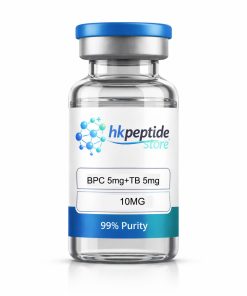
Pure Peptides
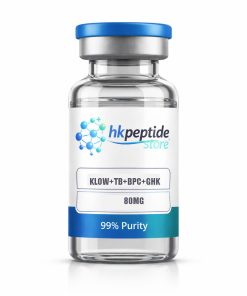
Pure Peptides
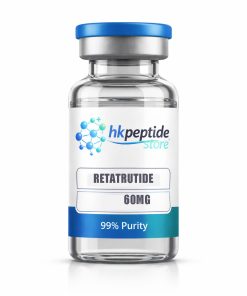
Pure Peptides
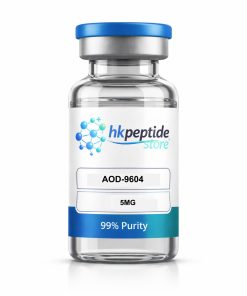
Pure Peptides
Reviews
There are no reviews yet.