Retatrutide Peptide For Sale: Research, Quality, Clinical Evidence and Regulatory Guide
Interest in Retatrutide Peptide For Sale has grown rapidly as research surrounding next-generation metabolic medicines continues to develop. Retatrutide, also known as LY3437943, is an investigational peptide being developed by Eli Lilly.
Unlike medicines that are already approved for clinical use, retatrutide remains under investigation. As of August 2026, Lilly describes retatrutide as an investigational once-weekly triple hormone receptor agonist that activates the GIP, GLP-1, and glucagon receptors. It is currently being studied in Phase 3 clinical programs. (Lilly)
This distinction is essential for anyone researching the term Retatrutide Peptide For Sale online. A website listing a retatrutide product does not mean that the product is an approved medicine or that its quality, identity, purity, or safety has been verified by a regulatory authority.
For a research-focused website such as HK Peptide Store, the most useful approach is to explain the science behind retatrutide, its current clinical-development status, peptide quality considerations, and the difference between legitimate clinical research and unapproved products.
What Is Retatrutide?
Retatrutide is an investigational peptide developed by Eli Lilly.
It is described as a triple agonist because it activates three hormone receptors:
- GIP receptor
- GLP-1 receptor
- Glucagon receptor
This distinguishes retatrutide from medicines that primarily target one or two of these pathways.
Lilly describes retatrutide as a once-weekly investigational molecule being evaluated across several cardiometabolic conditions. (Lilly)
Its development has attracted substantial scientific interest because researchers are investigating whether simultaneous activity across these three pathways can produce meaningful effects on body weight, glucose regulation, and other metabolic outcomes.
How Retatrutide Differs From GLP-1 Medicines
GLP-1 receptor agonists have become an important area of metabolic medicine.
Retatrutide is different because it is designed to activate three receptor pathways rather than only the GLP-1 pathway.
The three targets are:
GIP
Glucose-dependent insulinotropic polypeptide is an incretin hormone involved in metabolic regulation.
GLP-1
Glucagon-like peptide-1 plays important roles in glucose regulation, appetite, and gastrointestinal signaling.
Glucagon
Glucagon contributes to energy metabolism and glucose regulation.
The combination of these pathways is one reason retatrutide is described as a triple agonist.
Why Researchers Are Interested in Retatrutide
Researchers are interested in retatrutide because of its potential to influence several interconnected metabolic pathways simultaneously.
Clinical research has examined retatrutide in areas including:
- Obesity
- Overweight with related health conditions
- Type 2 diabetes
- Cardiometabolic disease
- Knee osteoarthritis pain
- Obstructive sleep apnea
- Chronic low back pain
- Cardiovascular outcomes
- Renal outcomes
- Metabolic dysfunction-associated steatotic liver disease
Lilly’s current clinical-development program includes multiple Phase 3 and Phase 3b studies. (Lilly)
Retatrutide Clinical Research
Retatrutide has progressed considerably beyond early-stage research.
In 2026, Lilly announced positive results from several pivotal Phase 3 studies.
In the TRIUMPH-1 trial, participants receiving the highest studied dose experienced an average weight reduction of 28.3% at 80 weeks, according to Lilly’s May 2026 announcement. (Eli Lilly and Company)
In July 2026, Lilly announced additional Phase 3 results from TRIUMPH-2 and TRIUMPH-3. The company reported average weight reductions of up to 20.8% at 80 weeks in TRIUMPH-2 and up to 22.6% in TRIUMPH-3. (Eli Lilly and Company)
These are important research findings. However, they should not be interpreted as evidence that an unapproved retatrutide product purchased online is equivalent to the investigational material used in Lilly’s clinical trials.
Is Retatrutide FDA Approved?
No.
As of August 2026, retatrutide has not received FDA approval.
Lilly states that retatrutide remains an investigational medicine and is not currently available for public use. The company has announced plans to submit a Biologics License Application to the FDA in the first quarter of 2027. (Eli Lilly and Company)
Therefore, content targeting Retatrutide Peptide For Sale should clearly distinguish the investigational drug from products marketed online outside authorized clinical research.
Can Retatrutide Be Purchased for Personal Use?
Retatrutide is not currently an approved medicine available for routine public use.
Lilly states that retatrutide is currently available only to participants in its clinical trials and warns against taking products claiming to be retatrutide outside those trials. (Lilly)
The FDA has also specifically warned about unapproved retatrutide products marketed directly to consumers or falsely labeled as being for research purposes.
The FDA states that retatrutide cannot be used in compounding under federal law and that it is not an active ingredient in an FDA-approved drug. (U.S. Food and Drug Administration)
Why Online Retatrutide Products Require Caution
Searching for Retatrutide Peptide For Sale can produce websites offering products described as research peptides.
Researchers and consumers should be cautious because an online product may not be:
- Manufactured by the company developing retatrutide
- Produced under the same controls used in clinical trials
- Independently verified
- Correctly identified
- Correctly dosed
- Free from contaminants
- Equivalent to clinical-trial material
Lilly specifically warns that unauthorized products claiming to contain retatrutide may contain incorrect ingredients, impurities, contaminants, or inappropriate amounts of active material. (Lilly)
Research Peptide Versus Clinical-Trial Material
This distinction is extremely important.
A peptide sold online as a research material is not automatically the same material used in a regulated clinical trial.
Clinical-trial materials are produced within controlled development programs with defined specifications, manufacturing processes, analytical testing, documentation, and oversight.
A commercial research product may have a different manufacturing history and quality-control framework.
Therefore:
Online availability ≠ clinical-trial equivalence.
What Researchers Should Look For in Peptide Documentation
When studying peptide materials for legitimate laboratory research, researchers should evaluate the documentation associated with the exact material.
Relevant information can include:
- Product identity
- Molecular information
- Sequence where appropriate
- Batch number
- Purity
- Analytical methodology
- Certificate of Analysis
- Testing laboratory
- Storage information
- Product specifications
These records can help establish traceability.
Understanding a Certificate of Analysis
A Certificate of Analysis, or CoA, can provide analytical information about a particular batch.
Depending on the supplier and material, a CoA may contain:
- Product identification
- Batch number
- Purity result
- Molecular weight
- Analytical method
- Testing date
- Specification
- Laboratory information
However, a CoA should not automatically be interpreted as proof that a research peptide is an approved medicine.
A CoA describes analytical characteristics of a tested material. It does not grant regulatory authorization.
Why Batch Numbers Matter
Batch traceability is important in scientific research.
A laboratory can maintain a relationship between:
Product → Batch → Analytical Report → Storage → Experiment
If researchers later observe an unexpected result, these records can help determine which material was used.
Batch information also improves reproducibility when experiments are repeated.
Peptide Purity and Retatrutide Research
Purity is an important analytical characteristic, but researchers should avoid judging a peptide solely by a stated percentage.
A meaningful purity result should be considered alongside:
- Testing methodology
- Batch identification
- Identity confirmation
- Testing laboratory
- Analytical conditions
- Relevant specifications
A high purity percentage does not establish that an online product is pharmaceutical-grade or equivalent to clinical-trial material.
HPLC Analysis
High-performance liquid chromatography, commonly called HPLC, is widely used in peptide analysis.
It can help researchers evaluate the chromatographic composition of a sample.
Depending on the method, HPLC may provide information about:
- Relative purity
- Impurity peaks
- Chromatographic behavior
- Batch consistency
Researchers should interpret HPLC results within the context of the analytical method used.
Mass Spectrometry
Mass spectrometry can provide molecular-mass information that supports peptide characterization.
Researchers may compare the expected molecular mass with an experimentally observed value.
This can provide useful evidence regarding identity.
However, mass spectrometry alone does not establish that a material is an approved pharmaceutical product.
Why Research Documentation Matters
Scientific research depends heavily on reproducibility.
Researchers should be able to identify:
- Which peptide was used
- Which batch was used
- What analytical information was available
- How the material was stored
- Which experimental conditions were applied
Good documentation creates a stronger scientific record.
Retatrutide and Obesity Research
Obesity is one of the major areas being studied in the retatrutide clinical-development program.
The TRIUMPH clinical program has evaluated retatrutide in adults with obesity or overweight, including populations with additional health conditions. (Eli Lilly and Company)
The results announced by Lilly in 2026 demonstrate substantial investigational interest in the molecule.
However, clinical-trial results should not be confused with regulatory approval.
Regulatory authorities must independently evaluate the complete evidence package before a medicine can be approved.
Retatrutide and Type 2 Diabetes Research
Retatrutide is also being studied in people with obesity or overweight and type 2 diabetes.
In July 2026, Lilly reported results from TRIUMPH-2 showing significant weight reduction alongside improvements in A1C at 80 weeks. (Eli Lilly and Company)
These findings contribute to the scientific understanding of retatrutide.
However, the investigational status of the molecule remains important.
Retatrutide and Cardiovascular Research
Cardiometabolic health is another major area of interest.
TRIUMPH-3 studied adults with severe obesity and established cardiovascular disease, with or without type 2 diabetes. Lilly reported significant weight reduction in this population. (Eli Lilly and Company)
Additional studies are examining cardiovascular and renal outcomes.
These trials are important because weight management and cardiometabolic health involve multiple interconnected biological systems.
Retatrutide and Other Research Areas
The clinical-development program is broader than weight management alone.
Current research programs include investigations involving:
- Knee osteoarthritis pain
- Obstructive sleep apnea
- Chronic low back pain
- Cardiovascular outcomes
- Renal outcomes
- Metabolic dysfunction-associated steatotic liver disease
ClinicalTrials.gov records multiple retatrutide studies, including Phase 3 and Phase 3b investigations. (ClinicalTrials.gov)
This broad research program illustrates the scientific interest surrounding the molecule.
Why Clinical Trial Data Matter
Clinical trials provide information that cannot be obtained from laboratory experiments alone.
Researchers need to evaluate:
- Safety
- Effectiveness
- Pharmacokinetics
- Pharmacodynamics
- Adverse events
- Long-term outcomes
- Patient populations
- Appropriate formulation
Retatrutide’s ongoing clinical-development program is designed to answer these questions.
Retatrutide and Future Regulatory Review
Lilly announced in July 2026 that it plans to submit a Biologics License Application to the FDA in the first quarter of 2027. (Eli Lilly and Company)
This does not mean approval is guaranteed.
A regulatory submission is followed by scientific and regulatory review.
The final decision rests with the relevant regulatory authority.
European Considerations
European researchers should also distinguish between clinical research and commercial availability.
Regulatory authorization is separate from simply being able to locate a product online.
Researchers should check current European and national regulatory information when determining the status of a medicinal product.
For clinical development, appropriate regulatory and ethics procedures apply.
Retatrutide Research and Responsible SEO Content
Because Retatrutide Peptide For Sale is a commercial search phrase, a website should avoid using SEO language that falsely implies medical approval.
A research-focused page can instead explain:
- What retatrutide is
- How it works scientifically
- Current clinical research
- Clinical-trial results
- Analytical quality concepts
- Research documentation
- Current regulatory status
This provides useful information without presenting an investigational molecule as an approved consumer medicine.
Why FDA Warnings Matter
The FDA has specifically addressed unapproved retatrutide products.
In its current consumer information, the FDA states that retatrutide cannot be used in compounding under federal law and warns about products falsely labeled for research use or not for human consumption when they are actually marketed for human use. (U.S. Food and Drug Administration)
The agency has also issued warning letters to companies marketing unapproved retatrutide products. (U.S. Food and Drug Administration)
This demonstrates why researchers should carefully distinguish legitimate scientific research from unapproved commercial drug marketing.
How to Evaluate Online Retatrutide Information
Before trusting an online claim, researchers can ask:
Is the source official?
Look for information from regulatory authorities, clinical-trial registries, peer-reviewed literature, or the company developing the molecule.
Is the information current?
Retatrutide research is progressing rapidly, so publication dates matter.
Is the claim supported by clinical evidence?
Animal or laboratory findings do not automatically establish human effectiveness.
Is the product actually approved?
Online availability does not establish regulatory approval.
Is the product traceable?
Researchers should look for appropriate batch and analytical documentation.
These questions can help separate reliable scientific information from promotional claims.
Retatrutide and Research Reproducibility
Research reproducibility requires accurate records.
For a peptide research project, researchers may document:
- Product identity
- Batch number
- Analytical documentation
- Storage information
- Experimental protocol
- Research conditions
- Relevant publication references
This creates a clearer scientific record.
The Future of Retatrutide Research
Retatrutide represents an important area of current metabolic research.
The molecule’s triple-receptor mechanism and Phase 3 results have generated significant scientific interest.
However, additional clinical and regulatory work remains.
Lilly continues to study retatrutide across multiple conditions, while the company prepares for potential regulatory submissions. (Eli Lilly and Company)
Future developments will depend on clinical evidence and regulatory review.
Conclusion
The search for Retatrutide Peptide For Sale should be approached carefully because retatrutide remains an investigational medicine, not an FDA-approved treatment.
Retatrutide is a first-in-class triple receptor agonist targeting GIP, GLP-1, and glucagon pathways. Lilly’s 2026 Phase 3 announcements reported substantial investigational results across several obesity and cardiometabolic populations. (Eli Lilly and Company)
Nevertheless, these clinical results do not mean that products sold online are approved or equivalent to material used in clinical trials.
The FDA has specifically warned about unapproved retatrutide products and states that retatrutide cannot be used in compounding under federal law. (U.S. Food and Drug Administration)
For researchers, the most important considerations are scientific evidence, product identity, analytical testing, batch traceability, documentation, and regulatory status.
As research continues and Lilly moves toward a planned FDA submission in 2027, retatrutide will remain an important molecule to watch within metabolic medicine.
For a research-focused website, presenting current evidence accurately—and clearly separating investigational research from approved medical treatment—is the most responsible way to discuss retatrutide.
Frequently Asked Questions
What is retatrutide?
Retatrutide, also known as LY3437943, is an investigational peptide that activates GIP, GLP-1, and glucagon receptors. (Lilly)
Is retatrutide FDA approved?
No. As of August 2026, retatrutide has not been approved by the FDA. Lilly describes it as an investigational medicine. (Lilly)
Who is developing retatrutide?
Eli Lilly and Company is developing retatrutide. (Lilly)
What makes retatrutide different from GLP-1 medicines?
Retatrutide is designed to activate three receptors—GIP, GLP-1, and glucagon—rather than targeting only the GLP-1 pathway. (Lilly)
Has retatrutide reached Phase 3?
Yes. Multiple Phase 3 and Phase 3b clinical studies are evaluating retatrutide. (ClinicalTrials.gov)
Is retatrutide available for public use?
Lilly currently states that retatrutide is not available for public use and is being studied in clinical trials. (Lilly)
Why are people searching for Retatrutide Peptide For Sale?
Interest has increased because of the strong clinical results reported from retatrutide’s obesity and cardiometabolic trials. (Eli Lilly and Company)
Can an online retatrutide product be assumed to be genuine?
No. An online listing does not establish identity, purity, safety, or equivalence to clinical-trial material.
What is a Certificate of Analysis?
A CoA is analytical documentation describing characteristics of a tested material or batch. It may include information such as identity, purity, molecular weight, analytical method, and batch number.
Is a high purity percentage enough to establish quality?
No. Researchers should consider identity, analytical methodology, batch traceability, impurities, and other relevant documentation.
What has the FDA said about retatrutide?
The FDA states that retatrutide cannot be used in compounding under federal law and has warned about unapproved retatrutide products marketed to consumers, including products falsely labeled for research use. (U.S. Food and Drug Administration)
When might retatrutide be submitted to the FDA?
Lilly announced in July 2026 that it plans to submit a Biologics License Application for retatrutide in the first quarter of 2027. (Eli Lilly and Company)
Does a planned FDA submission mean retatrutide is approved?
No. Submission and approval are separate steps. Regulatory authorities must review the evidence before making an authorization decision.
What research areas are being studied with retatrutide?
Current clinical programs include obesity, type 2 diabetes, knee osteoarthritis pain, obstructive sleep apnea, chronic low back pain, cardiovascular outcomes, renal outcomes, and metabolic dysfunction-associated steatotic liver disease. (Lilly)
Why is clinical-trial material different from online research peptide products?
Clinical-trial material is developed within a controlled clinical-development program with defined manufacturing, quality, analytical, and regulatory processes. An online research product is not automatically equivalent.
Can retatrutide research results be used to recommend treatment?
No. Clinical-trial findings should not be converted into individualized treatment recommendations, particularly while the medicine remains investigational.
Pure Peptides
Pure Peptides
Pure Peptides
Pure Peptides
Pure Peptides
Pure Peptides
Pure Peptides
Pure Peptides
Pure Peptides
Pure Peptides
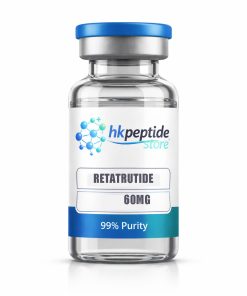
Pure Peptides
Pure Peptides
.
Retatrutide Peptide For Sale: Research Quality, Clinical Development and Responsible Sourcing
The growing search for Retatrutide Peptide For Sale is closely connected to the rapid development of retatrutide research. Retatrutide, also known as LY3437943, is an investigational triple agonist being developed by Eli Lilly.
As of August 2026, retatrutide remains investigational. Lilly has reported positive results from multiple Phase 3 studies and announced plans to submit a Biologics License Application to the FDA in the first quarter of 2027. (Eli Lilly and Company)
For researchers and readers evaluating online peptide information, this makes accurate sourcing and careful interpretation especially important.
Retatrutide Research Has Entered an Advanced Stage
Retatrutide is no longer limited to early laboratory investigation.
The compound is currently being evaluated in large clinical programs designed to examine its effects in different populations and conditions.
ClinicalTrials.gov records studies sponsored by Eli Lilly involving retatrutide in participants with obesity, overweight, type 2 diabetes, and other health conditions. (ClinicalTrials.gov)
This expanding clinical program provides researchers with considerably more information than was available during the molecule’s earlier development.
However, clinical development and regulatory approval are separate processes.
Understanding the Triple-Agonist Mechanism
Retatrutide is designed to activate three hormone receptors:
GIP Receptor
GIP is an incretin hormone involved in glucose and metabolic regulation.
GLP-1 Receptor
GLP-1 plays an important role in glucose regulation, appetite signaling, and gastrointestinal physiology.
Glucagon Receptor
Glucagon contributes to glucose regulation and energy metabolism.
Retatrutide’s simultaneous activity across these three pathways is the central scientific feature distinguishing it from many existing metabolic medicines.
Why Multiple Receptor Targets Matter
Metabolic regulation involves interconnected biological systems.
Rather than targeting only one pathway, retatrutide has been designed to influence several pathways simultaneously.
Researchers are therefore interested in understanding how the combined activity affects:
-
Body weight
-
Glycemic control
-
Energy metabolism
-
Appetite
-
Cardiometabolic health
-
Other metabolic outcomes
The clinical evidence is still developing, so researchers should distinguish observed trial outcomes from assumptions about future therapeutic applications.
Recent Phase 3 Results
In July 2026, Lilly announced results from the TRIUMPH-2 and TRIUMPH-3 Phase 3 trials.
In TRIUMPH-2, Lilly reported average weight reductions of up to 20.8% at 80 weeks in adults with obesity or overweight and type 2 diabetes.
In TRIUMPH-3, the company reported average weight reductions of up to 22.6% at 80 weeks among adults with severe obesity and established cardiovascular disease, with or without type 2 diabetes. (Eli Lilly and Company)
These results are important developments in retatrutide research.
Nevertheless, they represent results from clinical investigations and should not be used to imply that an independently sold online peptide has the same characteristics as the investigational product used in those trials.
Clinical Trial Material Is Not the Same as an Online Research Product
This distinction deserves special attention.
Clinical trials operate under controlled research protocols.
Investigational products used in those studies are subject to defined requirements concerning:
-
Manufacturing
-
Quality control
-
Identity
-
Purity
-
Packaging
-
Documentation
-
Storage
-
Distribution
-
Clinical oversight
An online product described as “retatrutide peptide” does not automatically meet those same standards.
Therefore:
Retatrutide research ≠ every product marketed online as retatrutide.
How Researchers Can Evaluate Peptide Documentation
When reviewing a research peptide, researchers can examine several categories of information.
Product Identity
Is the exact compound clearly identified?
Molecular Information
Is the molecular weight documented?
Sequence
Is the peptide sequence available where appropriate?
Purity
Is the purity result supported by analytical testing?
Batch
Can the product be linked to a specific batch?
Certificate of Analysis
Is a batch-specific CoA available?
Testing
Are the analytical methods identified?
These details can help establish a stronger research record.
Why a Certificate of Analysis Matters
A Certificate of Analysis can provide analytical information associated with a particular batch.
Depending on the supplier, it may contain:
-
Product identity
-
Batch number
-
Purity
-
Molecular weight
-
Testing method
-
Testing date
-
Specifications
-
Laboratory information
However, researchers should understand what a CoA does and does not establish.
A CoA can document analytical characteristics.
It does not automatically establish:
-
FDA approval
-
Clinical effectiveness
-
Pharmaceutical equivalence
-
Human safety
-
Regulatory authorization
Retatrutide Purity Testing
Purity is an important characteristic for research materials.
However, a stated purity percentage should be interpreted alongside the analytical method.
Researchers should consider:
-
Which method was used?
-
Was the test performed on the specific batch?
-
Is the testing laboratory identified?
-
Is the testing date available?
-
Are relevant analytical results available?
This provides more meaningful information than relying on a percentage alone.
HPLC and Retatrutide Research
High-performance liquid chromatography, commonly known as HPLC, is widely used for peptide analysis.
HPLC can help characterize the chromatographic profile of a sample.
Researchers may use it to examine:
-
Relative purity
-
Impurity peaks
-
Chromatographic behavior
-
Batch consistency
The interpretation of an HPLC result depends on the analytical method and specifications.
Therefore, a laboratory should retain the relevant report rather than recording only a headline purity percentage.
Mass Spectrometry
Mass spectrometry can provide molecular-mass information.
Researchers may compare the expected molecular mass with the observed analytical mass.
This can support peptide identity assessment.
As with HPLC, mass spectrometry is one component of characterization rather than a complete substitute for a broader quality-control program.
Why Batch Traceability Is Important
Scientific reproducibility depends partly on knowing exactly which materials were used.
A laboratory can maintain a simple chain:
Supplier → Product → Batch → CoA → Storage → Experiment
This information can help researchers determine which material was associated with a particular experimental result.
It can also make future experiments easier to reproduce.
Retatrutide and Research Documentation
A research record may include:
-
Product name
-
LY3437943 identification
-
Supplier
-
Batch number
-
Analytical documentation
-
Storage information
-
Date received
-
Research project
-
Experimental records
Maintaining this information helps separate different materials and batches.
Why Online Retatrutide Listings Need Careful Evaluation
Search results for Retatrutide Peptide For Sale may include websites that present products in very different ways.
Researchers should be cautious about claims involving:
-
Medical treatment
-
Weight-loss guarantees
-
Clinical equivalence
-
FDA approval
-
Pharmaceutical-grade status
-
Human dosing
-
Guaranteed safety
Such claims require appropriate scientific and regulatory support.
FDA Position on Unapproved Retatrutide
The FDA currently states that retatrutide and cagrilintide cannot be used in compounding under federal law and are not components of FDA-approved drugs. The agency also warns about products falsely labeled as being for research purposes or not for human consumption when they are actually marketed for human use. (U.S. Food and Drug Administration)
This is particularly relevant to online peptide content.
A website should ensure that its product descriptions and marketing claims accurately reflect the intended research use.
Research-Use-Only Language Has Limits
A disclaimer saying “For Research Use Only” does not automatically determine the legal or regulatory status of a product.
The FDA has issued warning letters concerning companies that marketed retatrutide and other peptides with research-use disclaimers while other website content indicated an intended use as human drugs. (U.S. Food and Drug Administration)
Therefore, responsible peptide websites should make sure their entire presentation is consistent with genuine research use.
Why Medical Claims Should Be Avoided
A research-focused page can explain scientific findings without presenting the peptide as a treatment.
For example, it can discuss:
-
Receptor activity
-
Clinical research
-
Trial design
-
Research outcomes
-
Analytical testing
-
Molecular characteristics
-
Regulatory status
It should avoid making unsupported promises about individual health outcomes.
This is especially important for SEO content targeting commercial search terms.
Retatrutide and Obesity Research
Obesity remains one of the major areas of retatrutide research.
Clinical trials have investigated adults with obesity or overweight, including populations with type 2 diabetes and cardiovascular disease.
The reported Phase 3 results have increased interest in the molecule’s potential role in future metabolic medicine. (Eli Lilly and Company)
However, future regulatory decisions will depend on the complete evidence package.
Retatrutide and Type 2 Diabetes
Clinical research is also examining retatrutide in people with type 2 diabetes.
The TRIUMPH-2 study evaluated retatrutide in participants with obesity or overweight and type 2 diabetes. ClinicalTrials.gov identifies the study as a randomized, double-blind, placebo-controlled trial sponsored by Eli Lilly. (ClinicalTrials.gov)
This type of study design helps researchers evaluate both efficacy and safety under controlled conditions.
Retatrutide and Cardiovascular Research
Cardiovascular health is another important area of development.
TRIUMPH-3 evaluated adults with severe obesity and established cardiovascular disease, with or without type 2 diabetes. Lilly reported substantial weight reductions in the study population. (Eli Lilly and Company)
Additional research is needed to understand the broader cardiovascular implications of retatrutide.
Retatrutide and Long-Term Research
Some ongoing studies are designed to examine longer-term questions.
For example, TRIUMPH-6 is evaluating the maintenance of weight reduction following retatrutide treatment. The ClinicalTrials.gov record describes a long study period involving an initial treatment phase followed by a randomized phase. (ClinicalTrials.gov)
Long-term research is important because short-term results cannot answer every question about durability and safety.
Retatrutide Research Beyond Weight Loss
The development program is broader than obesity alone.
Current clinical research includes areas such as:
-
Type 2 diabetes
-
Obesity
-
Cardiovascular disease
-
Knee osteoarthritis
-
Obstructive sleep apnea
-
Chronic low back pain
-
Cardiovascular outcomes
-
Renal outcomes
-
Metabolic liver disease
Lilly has stated that its clinical program is designed to investigate retatrutide across several cardiometabolic conditions. (Eli Lilly and Company)
Future Regulatory Submission
Lilly announced in July 2026 that it plans to submit a Biologics License Application to the FDA in the first quarter of 2027. (Eli Lilly and Company)
A planned submission is an important development, but it does not mean approval has already occurred.
The FDA must independently review the submitted evidence before deciding whether the product meets the requirements for approval.
What Happens Before Approval?
Regulatory review can consider information concerning:
-
Clinical efficacy
-
Safety
-
Manufacturing
-
Product quality
-
Chemistry
-
Pharmacology
-
Clinical-trial data
-
Risk-benefit considerations
This process demonstrates why clinical development is substantially different from simply producing or selling a peptide.
Research Peptides and Regulatory Status
A research peptide can be scientifically interesting without being an authorized medicine.
Researchers should therefore record regulatory status separately from scientific characteristics.
For example:
Scientific identity: Retatrutide / LY3437943
Research status: Investigational
Clinical development: Phase 3
FDA approval: Not approved as of August 2026
Planned regulatory submission: Lilly announced a planned BLA submission for Q1 2027. (Eli Lilly and Company)
This type of information provides a much clearer picture than simply calling a product “available.”
How to Build a Responsible Retatrutide Research Page
A high-quality page targeting Retatrutide Peptide For Sale should ideally include:
Scientific Overview
Explain what retatrutide is.
Mechanism
Describe its GIP, GLP-1, and glucagon receptor activity.
Clinical Research
Summarize relevant clinical trials.
Quality Considerations
Explain identity, purity, testing, and batch documentation.
Regulatory Status
Clearly identify its investigational status.
Research-Use Limitations
Avoid presenting the material as an approved medicine.
FAQs
Answer common questions about research, clinical trials, and regulatory status.
This structure is informative while maintaining responsible scientific language.
Choosing Research Materials
For legitimate laboratory research, researchers should consider the complete documentation package rather than only the product name.
A useful evaluation checklist includes:
Exact identity
Sequence where relevant
Molecular information
Purity
Analytical testing
Batch number
Certificate of Analysis
Storage information
Supplier documentation
Intended research use
The appropriate requirements depend on the specific laboratory and research protocol.
Why Supplier Transparency Matters
Transparent suppliers make it easier for researchers to evaluate materials.
Useful information may include:
-
Company identity
-
Product specifications
-
Analytical documentation
-
Batch records
-
Contact information
-
Storage information
-
Research-use statements
However, researchers should still independently evaluate the information supplied.
Bulk Research Procurement
Laboratories conducting extended projects may consider larger research quantities.
Before doing so, researchers should consider:
-
Project requirements
-
Storage capacity
-
Stability
-
Inventory management
-
Batch consistency
-
Documentation
The appropriate quantity should be determined by the research program rather than simply choosing the largest package.
Retatrutide and Research Reproducibility
Reproducibility is especially important when studying compounds with rapidly developing scientific literature.
Researchers should record:
-
Exact material
-
Batch
-
Analytical information
-
Experimental conditions
-
Research date
-
Relevant publications
This can make it easier to compare results across experiments.
The Importance of Current Information
Retatrutide research is changing quickly.
New Phase 3 results, trial updates, regulatory announcements, and scientific publications can change the information available to researchers.
For that reason, pages about retatrutide should be reviewed regularly.
Current information from Lilly and ClinicalTrials.gov should be distinguished from older publications or outdated commercial claims. (Eli Lilly and Company)
Conclusion
Retatrutide Peptide For Sale is a high-interest search topic because retatrutide has become one of the most closely watched investigational peptides in metabolic research.
Its triple-agonist mechanism and expanding clinical-development program have generated substantial scientific interest. In 2026, Lilly reported positive results from additional Phase 3 trials and announced plans for a potential FDA submission in Q1 2027. (Eli Lilly and Company)
Nevertheless, retatrutide remains investigational as of August 2026.
The FDA states that retatrutide cannot be used in compounding under federal law and has warned about unapproved products falsely labeled as research materials while being marketed for human use. (U.S. Food and Drug Administration)
For research-focused content, the most responsible approach is therefore to emphasize scientific evidence, product identity, analytical testing, batch traceability, documentation, and regulatory status.
Researchers should also understand that an online product described as retatrutide is not automatically equivalent to the material used in Eli Lilly’s clinical trials.
As clinical research continues and regulatory review approaches, retatrutide will remain an important molecule to follow. For HK Peptide Store, keeping this information current and clearly separating investigational research from approved medical use will help create a more accurate and trustworthy resource.
Frequently Asked Questions
What is retatrutide?
Retatrutide, also known as LY3437943, is an investigational peptide designed to activate GIP, GLP-1, and glucagon receptors.
Is retatrutide approved by the FDA?
No. As of August 2026, retatrutide is still investigational. Lilly has announced plans to submit a BLA in Q1 2027. (Eli Lilly and Company)
What makes retatrutide different?
Retatrutide is a triple receptor agonist targeting GIP, GLP-1, and glucagon pathways.
Has retatrutide reached Phase 3?
Yes. Multiple Phase 3 studies have been conducted or are ongoing. ClinicalTrials.gov lists several Eli Lilly-sponsored Phase 3 and Phase 3b studies. (ClinicalTrials.gov)
What were the recent Phase 3 results?
Lilly reported average weight reductions of up to 20.8% at 80 weeks in TRIUMPH-2 and up to 22.6% in TRIUMPH-3. (Eli Lilly and Company)
Does an online retatrutide product equal clinical-trial material?
No. Online products are not automatically equivalent to investigational material manufactured and controlled for clinical trials.
What should researchers check when evaluating retatrutide research material?
Researchers can review identity, sequence where relevant, molecular information, purity, analytical testing, batch number, CoA, storage information, and supplier documentation.
What is a retatrutide CoA?
A Certificate of Analysis is analytical documentation associated with a particular material or batch. It does not itself establish FDA approval.
Why is batch information important?
Batch information helps researchers identify exactly which material was used in an experiment and connect it to analytical documentation.
Can retatrutide be compounded in the United States?
The FDA states that retatrutide cannot be used in compounding under federal law. (U.S. Food and Drug Administration)
Has the FDA warned about online retatrutide products?
Yes. The FDA has warned about unapproved retatrutide products, including products falsely labeled for research purposes or not for human consumption but marketed for human use. (U.S. Food and Drug Administration)
Does “research use only” automatically make a product compliant?
No. FDA enforcement actions show that regulators can consider the actual marketing and intended use of a product rather than relying solely on a disclaimer. (U.S. Food and Drug Administration)
What is the future of retatrutide?
The next major milestones include additional clinical data and potential regulatory submissions. Lilly has announced a planned BLA submission in Q1 2027. (Eli Lilly and Company)
Why should retatrutide content be updated frequently?
Clinical research and regulatory information continue to develop, so older information can quickly become outdated.