Phoenix Peptides for Sale: Research Peptide Quality, Sourcing, and Safety Guide
The search term Phoenix Peptides for Sale can refer to several different peptide-related businesses, products, or research resources online. Because the name “Phoenix Peptides” is used by more than one organization, researchers should verify the exact supplier, website, product identity, and intended use before placing an order.
For example, one company operating under the name Phoenix Peptides describes its products as research-grade materials intended for laboratory research and states that its products are not FDA approved. (Phoenix Peptide) Another organization, Phoenix Pharmaceuticals, supplies peptides for in-vitro laboratory research and preclinical studies through verified institutional accounts. (Phoenix Peptide)
This distinction is important because the term Phoenix Peptides for Sale does not by itself establish that a particular product is an approved medicine, pharmaceutical product, or suitable for human use.
For researchers looking for peptide materials online, the most important considerations are product identity, analytical documentation, batch traceability, purity, storage, supplier transparency, and applicable regulations.
What Are Research Peptides?
Peptides are short chains of amino acids that play important roles in biological systems.
Because peptides participate in numerous biological processes, scientists investigate them across many areas of research, including:
- Molecular biology
- Biochemistry
- Pharmaceutical development
- Cell signaling
- Metabolic research
- Tissue biology
- Analytical chemistry
- Drug discovery
Research peptides can be used as experimental materials for laboratory studies. However, a research-grade peptide should not automatically be treated as an approved pharmaceutical product.
The intended use, formulation, manufacturing process, quality controls, and regulatory status can differ significantly between research materials and medicines.
Understanding the Phoenix Peptides Name
One reason researchers should pay attention to supplier identity is that multiple organizations can use similar names.
Current online results show different businesses associated with the Phoenix Peptides name. One research supplier presents a catalog of laboratory materials and describes third-party testing and research-only use. (Phoenix Peptide)
Phoenix Pharmaceuticals, meanwhile, operates a separate peptide business and states that access to its products can require institutional verification. Its catalog describes products for in-vitro laboratory research and preclinical studies. (Phoenix Peptide)
Therefore, when searching for Phoenix Peptides for Sale, researchers should check:
- Exact company name
- Official website
- Product catalog
- Product number
- Intended use
- Testing documentation
- Business information
- Ordering requirements
This helps prevent confusion between similarly named suppliers.
Why Supplier Verification Matters
Online peptide purchasing requires careful supplier evaluation.
A professional-looking website does not automatically establish product quality.
Researchers should investigate whether the supplier provides meaningful technical information.
Useful indicators include:
Clear Product Identification
The exact peptide should be identified by name and, where appropriate, sequence or catalog number.
Analytical Documentation
The supplier should provide relevant analytical information.
Batch Information
A batch or lot number helps connect the material to its documentation.
Certificate of Analysis
A CoA can provide useful information about a specific batch.
Research-Use Statement
The supplier should clearly explain whether products are intended for laboratory research.
Contact Information
A legitimate research supplier should provide a method for customers to request product or technical information.
These factors provide a stronger foundation for evaluation than marketing claims alone.
What Is a Certificate of Analysis?
A Certificate of Analysis, commonly abbreviated as CoA, is a document containing analytical information about a product or batch.
Depending on the supplier and product, it may include:
- Product name
- Batch number
- Purity
- Molecular weight
- Analytical method
- Test date
- Specifications
- Laboratory information
Some Phoenix Peptides materials currently advertise third-party testing and provide certificates or analytical reports for individual lots. (Phoenix Peptides (ARL))
However, researchers should always verify that any certificate actually corresponds to the batch being purchased.
Why Batch Numbers Matter
Batch traceability is particularly important in laboratory research.
A researcher may use one peptide batch for several experiments.
Keeping the batch number allows the laboratory to connect:
Product → Batch → CoA → Storage → Experiment
This information can become valuable when repeating experiments or investigating unexpected results.
For long-term research projects, batch documentation can therefore support reproducibility.
Understanding Peptide Purity
Purity is one of the most frequently advertised characteristics of research peptides.
However, researchers should avoid judging a product solely by its advertised percentage.
A reported purity result should ideally be supported by:
- Analytical methodology
- Batch identification
- Testing date
- Laboratory information
- Relevant specifications
- Supporting analytical data
For example, some online Phoenix Peptides documentation reports individual batch results using HPLC and mass spectrometry. (Phoenix Peptides (ARL))
This type of documentation provides more context than simply stating a purity percentage on a product page.
Purity Is Not the Same as Identity
Researchers should distinguish between purity and identity.
Purity describes the proportion of material meeting a particular analytical criterion.
Identity concerns whether the material is actually the intended peptide.
These are different questions.
Analytical methods such as chromatography and mass spectrometry can provide complementary information.
Therefore, researchers should consider the complete analytical package rather than relying on one number.
HPLC Testing
High-performance liquid chromatography, or HPLC, is widely used in analytical chemistry and peptide research.
HPLC can help researchers evaluate the chromatographic profile of a peptide sample.
Depending on the method, it can provide useful information about:
- Relative purity
- Impurity peaks
- Sample composition
- Chromatographic behavior
However, HPLC results need to be interpreted according to the method and specifications used.
A percentage without methodological context provides less information than a complete analytical report.
Mass Spectrometry
Mass spectrometry can provide molecular-mass information that supports peptide characterization.
Researchers may compare the expected molecular mass with an experimentally observed result.
This can be particularly useful when assessing peptide identity.
When combined with chromatographic analysis, mass spectrometry can provide complementary evidence.
However, neither technique should automatically be treated as proof of pharmaceutical suitability.
Molecular Weight and Peptide Research
Molecular weight is an important parameter in peptide research.
Researchers may use it for:
- Molecular calculations
- Molarity calculations
- Analytical characterization
- Experimental planning
- Comparing theoretical and observed measurements
If a peptide contains chemical modifications, the molecular weight may differ from that of the unmodified sequence.
Consequently, researchers should verify the molecular information for the exact material being investigated.
Research Peptides and Pharmaceutical Products
A major source of confusion online is the difference between research peptides and pharmaceutical products.
A research peptide may be supplied for:
- Laboratory investigation
- Analytical testing
- Preclinical research
- Scientific experimentation
A pharmaceutical product, in contrast, must satisfy applicable regulatory requirements for its intended medical use.
Therefore, an online research peptide listing should not be interpreted as evidence that the product is an approved medicine.
This distinction should remain clear throughout any peptide-related website content.
Are Phoenix Peptides Approved Medicines?
The answer depends on the exact company and product being discussed.
One Phoenix Peptides research supplier explicitly states that its products are not FDA approved and are intended for research purposes only. (Phoenix Peptide)
Phoenix Pharmaceuticals similarly describes its products as being supplied for in-vitro laboratory research and preclinical studies, with certain products requiring verified institutional research accounts. (Phoenix Peptide)
Therefore, researchers should verify the regulatory status of the specific product rather than assuming approval based on the supplier’s name.
Research-Only Product Labeling
Research-use labeling provides important context.
A product labeled for research use should be handled according to its stated intended purpose and applicable laboratory requirements.
Researchers should not assume that a research product has undergone the same evaluation as an approved medicine.
A responsible peptide supplier should clearly communicate this distinction.
How to Compare Phoenix Peptides With Other Suppliers
Researchers can use a structured comparison when evaluating peptide suppliers.
| Factor | What Researchers Should Check |
|---|---|
| Identity | Exact peptide and molecular information |
| Purity | Analytical method and reported result |
| Testing | Available HPLC, MS, or other data |
| CoA | Batch-specific documentation |
| Batch | Traceable lot number |
| Storage | Clear storage information |
| Packaging | Appropriate product protection |
| Supplier | Transparent business information |
| Intended use | Clear research-use designation |
| Support | Technical and ordering assistance |
This approach can make supplier evaluation more objective.
Why Price Should Not Be the Only Factor
Searching for Phoenix Peptides for Sale may produce different prices across websites.
However, researchers should not automatically choose the cheapest option.
A lower price may come with less documentation or fewer analytical details.
Instead, researchers should consider overall value:
Price + Quality Documentation + Testing + Traceability + Support
A product with stronger documentation may provide greater value for a laboratory than one selected solely because of its price.
Bulk Peptide Research
Laboratories with ongoing projects may consider purchasing larger research quantities.
Bulk procurement can simplify ordering and help maintain consistent material across a research project.
However, researchers should consider:
- Actual research requirements
- Storage capacity
- Stability
- Batch documentation
- Project duration
- Inventory management
Buying a larger quantity is not automatically better if the material cannot be stored appropriately.
Peptide Storage
Storage requirements vary between peptide products.
Researchers should follow the documentation associated with the specific material.
Potential considerations can include:
- Temperature
- Moisture
- Light exposure
- Container integrity
- Storage duration
- Handling
For example, different peptide products can have different stability characteristics.
Researchers should therefore avoid applying generic storage assumptions to every peptide.
Shipping and Receiving Research Peptides
Shipping is another important part of online peptide procurement.
Before ordering, researchers should consider:
- Packaging
- Transit time
- Tracking
- Environmental conditions
- Customs requirements
- Product documentation
When material arrives, the laboratory should compare the shipment against the order information.
Useful records can include:
- Product name
- Quantity
- Batch number
- Date received
- Packaging condition
- Certificate of Analysis
- Storage location
This creates a useful receiving record.
Research Peptides in the United States
The regulatory environment surrounding research peptides in the United States can be complex.
Researchers should distinguish between materials intended for laboratory research and medicines intended for human use.
The existence of a research product online does not establish FDA approval.
For products described as medicines, researchers and consumers should verify the applicable regulatory status through official sources.
Research Peptides in Europe
European researchers should similarly distinguish research materials from authorized medicinal products.
The European Medicines Agency provides information about medicines authorized through the centralized EU procedure, while nationally authorized medicines are handled through relevant national systems.
The EMA also maintains scientific guidance relating to synthetic peptide development and manufacturing.
This guidance covers areas such as:
- Manufacturing
- Characterization
- Specifications
- Analytical control
- Peptide development
The current synthetic peptide guideline became legally effective on June 1, 2026. (Phoenix Peptide)
Why European Researchers Should Check Regulatory Status
Online availability does not automatically establish authorization.
Before treating a peptide as a medicinal product, researchers should determine:
- Whether it has marketing authorization
- Which authority granted authorization
- Which indication is authorized
- Which formulation is authorized
- Which country or region applies
This is particularly important because regulatory status can vary between jurisdictions.
B2B Research Peptide Supply
Some established peptide suppliers operate primarily on a business-to-business basis.
For example, Phoenix Pharmaceuticals describes itself as a B2B research peptide company and states that it supplies qualified businesses, research laboratories, academic institutions, and organizations conducting approved research. (Phoenix Peptide)
This type of model emphasizes institutional research rather than consumer use.
For laboratories, supplier qualification can be an important part of procurement.
Why Institutional Verification Can Matter
Some peptide suppliers require institutional verification before providing certain products.
This can help suppliers distinguish professional research customers from general consumers.
Phoenix Pharmaceuticals, for example, states on individual product pages that certain materials are available only to verified institutional research accounts. (Phoenix Peptide)
Such requirements can be useful when working with specialized research materials.
Avoiding Misleading Online Peptide Claims
Researchers should be cautious when websites make unsupported claims such as:
- “Guaranteed results”
- “Clinically proven” without appropriate clinical evidence
- “FDA approved” without identifying the specific authorization
- “Safe for everyone”
- “Equivalent to pharmaceutical grade”
A responsible research website should distinguish established scientific evidence from promotional statements.
How to Evaluate Product Claims
When you see a scientific claim online, ask:
What study supports it?
Look for a peer-reviewed publication or appropriate scientific source.
Was the research performed in humans?
Animal findings cannot automatically establish human effectiveness.
How large was the study?
Small studies may provide preliminary evidence but cannot answer every question.
Was there a control group?
Controlled research can provide stronger evidence.
Has the finding been independently reproduced?
Reproducibility strengthens scientific confidence.
These questions are useful when evaluating any peptide-related claim.
The Importance of Current Scientific Literature
Peptide research changes over time.
New clinical trials, analytical studies, and regulatory developments can alter what is known about a particular compound.
Researchers should therefore check current literature rather than relying exclusively on older articles or commercial descriptions.
For BPC-157, for example, recent reviews continue to identify substantial gaps between preclinical research and human clinical evidence. (Phoenix Peptide)
The same principle applies to other research peptides.
How HK Peptide Store Can Position Its Research Content
For HK Peptide Store, the Phoenix Peptides for Sale page should focus on educational and research information rather than implying that products are approved medicines.
The page can explain:
- What research peptides are
- How to evaluate peptide suppliers
- How to review analytical documentation
- Why batch numbers matter
- What CoAs provide
- Why purity alone is insufficient
- How research materials differ from medicines
- European and international considerations
This creates a more informative experience for laboratory-oriented visitors.
Research Peptide Quality Checklist
Before selecting an online peptide supplier, researchers can use this checklist:
1. Confirm the exact product identity.
2. Review the molecular information.
3. Check the reported purity.
4. Examine the analytical method.
5. Request or review the relevant CoA.
6. Confirm the batch number.
7. Review storage requirements.
8. Check supplier information.
9. Verify the intended research use.
10. Check applicable regulations.
This process provides a stronger foundation for responsible research procurement.
The Future of Online Peptide Research
Online peptide procurement is likely to become increasingly integrated with digital laboratory systems.
Future platforms may provide:
- Digital CoAs
- Batch tracking
- Analytical reports
- Inventory management
- Product comparison
- Research documentation
- Automated supplier verification
These technologies could make laboratory procurement more efficient.
However, digital convenience should not replace scientific evaluation.
Researchers should continue to verify important information before using a material in an experiment.
Conclusion
The search for Phoenix Peptides for Sale requires careful attention because multiple peptide-related organizations use similar names.
Current online information shows that Phoenix Peptides-branded research suppliers market laboratory materials with research-use-only statements, while Phoenix Pharmaceuticals operates a separate institutional research peptide business. (Phoenix Peptide)
For researchers, the most important consideration is not simply where a peptide is listed for sale. Instead, researchers should evaluate identity, purity, analytical testing, batch traceability, Certificates of Analysis, storage, supplier transparency, and regulatory status.
A research peptide should also never automatically be considered an approved medicine.
By taking a documentation-first approach, laboratories can make more informed procurement decisions and maintain better research records.
For HK Peptide Store, presenting this information clearly can help visitors understand the difference between commercial availability and scientific or regulatory validation.
Ultimately, responsible peptide sourcing is built around quality, transparency, traceability, and appropriate research use.
Frequently Asked Questions
What does Phoenix Peptides for Sale mean?
The phrase can refer to online searches for peptide products associated with businesses using the Phoenix Peptides name. Researchers should verify the exact company and product before purchasing.
Are Phoenix Peptides the same as Phoenix Pharmaceuticals?
Not necessarily. Current online information shows separate organizations using these names. Phoenix Pharmaceuticals describes itself as an institutional research peptide supplier, while another Phoenix Peptides business markets research-grade laboratory materials. (Phoenix Peptide)
Are research peptides approved medicines?
No. A research peptide should not automatically be considered an approved pharmaceutical product.
What should I check before buying research peptides?
Check product identity, molecular information, purity, analytical testing, batch number, Certificate of Analysis, storage information, supplier transparency, and intended use.
What is a CoA?
A Certificate of Analysis is documentation containing analytical information about a product or batch.
Why is batch information important?
Batch information helps researchers connect the material to its analytical documentation and laboratory records.
Is 99% purity enough to prove peptide quality?
No. Purity is only one quality characteristic. Identity, analytical methodology, impurities, stability, and traceability can also be important.
What is HPLC?
HPLC stands for high-performance liquid chromatography. It is commonly used to analyze chemical and peptide materials.
What does mass spectrometry do?
Mass spectrometry can provide molecular-mass information that supports peptide characterization and identity assessment.
Can online peptide products be assumed to be pharmaceutical grade?
No. Online availability does not establish pharmaceutical approval or equivalence to an authorized medicine.
Why do some research peptide suppliers require institutional accounts?
Institutional verification can help suppliers restrict certain research materials to qualified laboratories and professional research organizations. Phoenix Pharmaceuticals, for example, states that some products are available only to verified institutional research accounts. (Phoenix Peptide)
Can researchers purchase peptides in bulk?
Some suppliers offer larger quantities for research purposes. Laboratories should consider their actual research requirements, storage capacity, stability, and documentation before purchasing larger quantities.
How should research peptides be stored?
Researchers should follow the storage information provided for the exact material and their laboratory’s established procedures.
Are peptide products sold online legal everywhere?
Regulatory requirements vary by jurisdiction and depend on the product, intended use, claims, and classification. Researchers should check applicable local requirements before procurement.
Should a website describe research peptides as treatments?
No. Research materials should not be presented as approved treatments unless the specific product has appropriate regulatory authorization for that use.
How can I evaluate a peptide supplier?
Review the supplier’s product information, analytical documentation, batch traceability, CoAs, research-use statements, business information, and applicable regulatory information.
Why is supplier identity important?
Similar business names can create confusion. Researchers should confirm the exact company, official website, product catalog, and documentation before placing an order.
Pure Peptides
Pure Peptides
Pure Peptides
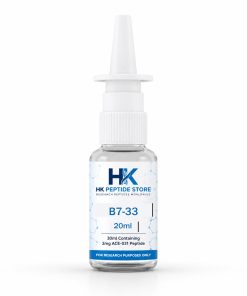
Pure Peptides
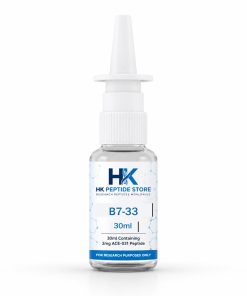
Pure Peptides
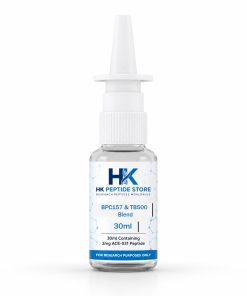
Pure Peptides
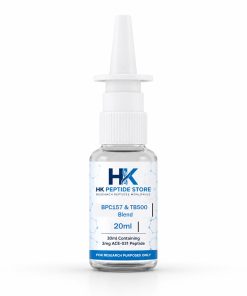
Pure Peptides
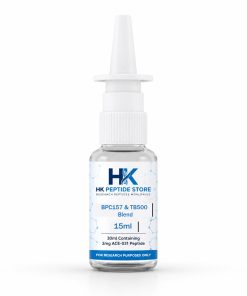
Pure Peptides
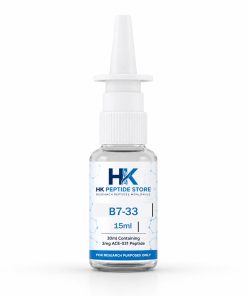
Pure Peptides
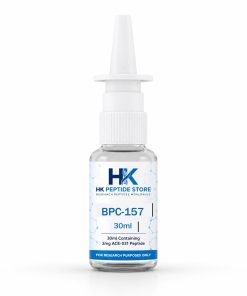
Pure Peptides
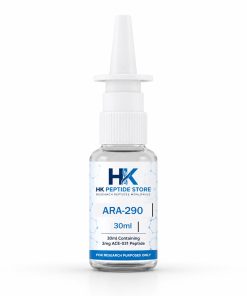
Pure Peptides
Pure Peptides
Phoenix Peptides for Sale: Quality Control, Research Sourcing and Regulatory Considerations
When researching Phoenix Peptides for Sale, it is important to look beyond product availability. Researchers should evaluate the scientific documentation behind a peptide, the identity of the supplier, the analytical methods used, and the intended research application.
Current information from Phoenix Pharmaceuticals states that it supplies research peptides, custom peptide synthesis, antibodies, and assay kits to verified institutional research accounts. The company also states that its research materials are intended for in-vitro and preclinical research and that it provides a Certificate of Analysis with orders. (Phoenix Peptide)
This makes supplier verification an important part of responsible peptide procurement.
Research Peptide Sourcing Starts With Identification
Before evaluating price or quantity, researchers should establish exactly what material they are looking for.
A useful product record can include:
-
Exact peptide name
-
Sequence
-
Molecular weight
-
Catalog number
-
Chemical modifications
-
Batch number
-
Intended research application
-
Analytical documentation
This information can help prevent confusion between similarly named compounds.
It is particularly important when working with peptides that have modified versions or closely related analogues.
Why Sequence Information Matters
The amino-acid sequence provides fundamental information about a peptide’s molecular identity.
A small change in sequence can produce a different peptide with different molecular properties.
Researchers should therefore avoid relying solely on a commercial product name.
Where appropriate, the sequence should be compared with a trusted scientific reference or the supplier’s technical documentation.
Chemical Modifications Can Change Peptide Properties
Research peptides may contain modifications that affect their characteristics.
Examples can include:
-
Terminal modifications
-
Lipid attachments
-
Conjugation
-
Cyclization
-
Non-standard amino acids
-
Isotope labeling
These modifications can influence molecular weight, charge, stability, and analytical behavior.
Consequently, researchers should confirm the complete molecular description before performing calculations or comparing analytical results.
Understanding Peptide Purity
Purity is an important quality parameter, but it should not be considered in isolation.
A research peptide advertised with a high purity percentage should ideally have supporting analytical information.
Researchers can consider:
-
Testing method
-
Batch number
-
Test date
-
Analytical laboratory
-
Reported impurities
-
Specification limits
-
Supporting chromatograms where available
This provides more context than a single number.
HPLC and Research Peptides
High-performance liquid chromatography, or HPLC, is commonly used in peptide analysis.
It can provide information about the chromatographic profile of a sample and can support evaluation of reported purity.
Phoenix Pharmaceuticals currently states that its research products undergo quality control and HPLC verification. (Phoenix Peptide)
Researchers should nevertheless review the specific analytical documentation associated with the material they receive.
Mass Spectrometry
Mass spectrometry can provide molecular-mass information useful for peptide characterization.
Researchers may compare:
Expected molecular mass
with
Observed analytical mass
This can provide supporting evidence regarding peptide identity.
Mass spectrometry and HPLC answer different analytical questions, so using complementary methods can provide a more informative characterization strategy.
Why a Certificate of Analysis Is Useful
A Certificate of Analysis provides a documented analytical record associated with a product or batch.
A useful CoA may contain:
-
Product name
-
Batch number
-
Purity
-
Molecular weight
-
Testing method
-
Testing date
-
Specifications
-
Analytical results
Phoenix Pharmaceuticals currently states that it provides a CoA with every order. (Phoenix Peptide)
Researchers should retain these documents as part of their laboratory records.
Batch Traceability
Batch traceability allows researchers to identify exactly which material was used in an experiment.
A simple traceability chain can be:
Supplier → Product → Batch → CoA → Storage → Experiment
This can be valuable when researchers need to repeat an experiment or investigate an unexpected result.
For long-term research programs, maintaining this information can improve reproducibility.
Research Peptide Quality Is More Than Purity
A complete quality assessment may involve several characteristics.
These can include:
Identity
Is the material actually the intended peptide?
Purity
What analytical result was obtained?
Molecular Characterization
Does the molecular information correspond with the expected structure?
Batch Consistency
Can the material be traced to a specific production batch?
Stability
Are appropriate storage and stability considerations documented?
Manufacturing
Is information about the production and quality system available?
The European Medicines Agency’s current synthetic peptide guideline specifically addresses manufacturing, characterization, specifications, and analytical control. It became legally effective on June 1, 2026. (European Medicines Agency (EMA))
Why Manufacturing Information Matters
Peptide quality begins before the final analytical test.
Manufacturing processes can influence:
-
Impurity profiles
-
Batch consistency
-
Structural characteristics
-
Yield
-
Reproducibility
-
Stability
For medicinal-product development, the EMA’s current guideline provides specific considerations for synthetic peptide manufacturing and characterization. (European Medicines Agency (EMA))
Research laboratories can therefore benefit from selecting suppliers that provide transparent technical information.
Phoenix Peptides and Institutional Research
One current Phoenix Pharmaceuticals source states that the company serves verified institutional research accounts, including:
-
Academic laboratories
-
University research
-
Pharmaceutical R&D
-
Government research
-
Contract research organizations
-
Hospital research laboratories
It also states that its products are supplied as in-vitro and preclinical research materials. (Phoenix Peptide)
This type of supplier model is different from selling medicines directly to consumers.
Why Institutional Verification Can Be Useful
Institutional verification can help suppliers establish that customers are conducting legitimate research.
It can also help distinguish laboratory procurement from consumer purchasing.
For specialized peptide materials, this may provide an additional layer of responsible distribution.
Researchers should still maintain their own institutional procedures for purchasing, storage, safety, and documentation.
Research Peptides and Approved Medicines
A critical distinction should always be maintained between research peptides and authorized medicines.
A research peptide may be supplied for:
-
Laboratory experiments
-
Analytical research
-
Preclinical studies
-
Assay development
-
Scientific investigation
An authorized medicine, however, has a defined regulatory status and approved conditions of use.
Online availability does not establish medicinal authorization.
UK Regulatory Considerations
For UK-facing content, regulatory language needs particular care.
The MHRA states that medicines without a UK marketing authorization are unlicensed medicines and may not have been assessed by the agency. (GOV.UK)
The MHRA also states that medicines cannot be advertised to the public in the UK unless they are licensed in the relevant territory. (GOV.UK)
Therefore, a website should avoid presenting an unlicensed research peptide as though it were an approved treatment.
Why Research-Only Language Matters
A research-focused website should clearly communicate the intended use of its materials.
Appropriate language can explain that products are intended for scientific investigation and are not presented as approved treatments.
This helps separate:
Research information
from
Medical claims
That distinction is particularly important for SEO pages targeting terms such as Phoenix Peptides for Sale.
European Peptide Research
European researchers should also consider the regulatory environment surrounding synthetic peptides.
The EMA’s current guideline addresses:
-
Manufacturing
-
Characterization
-
Specifications
-
Analytical control
-
Conjugation
-
Medicinal-product development
-
Clinical-trial considerations
The guideline’s legal effective date is June 1, 2026. (European Medicines Agency (EMA))
This reflects the increasing importance of detailed peptide characterization within pharmaceutical development.
How to Compare Research Peptide Suppliers
Researchers can create a simple supplier evaluation framework.
| Category | Questions to Consider |
|---|---|
| Product identity | Is the exact peptide clearly identified? |
| Sequence | Is the sequence documented where appropriate? |
| Purity | Is the result supported by analytical testing? |
| Testing | Are the analytical methods identified? |
| CoA | Is batch-specific documentation available? |
| Batch | Can the material be traced? |
| Storage | Are storage requirements documented? |
| Supplier | Is the company transparent? |
| Research use | Is the intended use clearly stated? |
| Support | Can researchers obtain technical information? |
This provides a more balanced assessment than price alone.
Why Price Should Not Be the Main Quality Indicator
Two peptide suppliers may advertise similar products at very different prices.
However, researchers should compare the complete offering.
Consider:
Product cost
Testing documentation
Batch traceability
Quality controls
Shipping
Technical support
Documentation
A lower price does not necessarily represent better value if the material comes with limited documentation.
Bulk Research Peptides
Some laboratories require larger quantities for long-term projects.
Bulk procurement can be practical when the research plan justifies it.
Before purchasing larger quantities, researchers should consider:
-
Project duration
-
Expected consumption
-
Storage capacity
-
Stability
-
Batch availability
-
Inventory requirements
The appropriate quantity should be determined by research needs rather than simply selecting the largest available package.
Storage and Inventory Management
Good storage records are important for research reproducibility.
A laboratory inventory system can record:
-
Product
-
Batch
-
Quantity
-
Date received
-
Storage location
-
CoA
-
Relevant stability information
-
Experimental use
This makes it easier to track research materials throughout a project.
Receiving a Peptide Shipment
When a research peptide arrives, researchers should compare the shipment with the order documentation.
Useful checks include:
Product Identity
Does the received material match the order?
Batch Number
Does the batch correspond with the CoA?
Quantity
Is the received quantity correct?
Packaging
Is the packaging intact?
Documentation
Are the relevant analytical documents present?
Storage
Can the material be transferred into appropriate storage promptly?
These simple checks support better inventory control.
Scientific Documentation and Reproducibility
Reproducible research requires accurate documentation.
A laboratory record can include:
Peptide name
Sequence
Molecular weight
Supplier
Catalog number
Batch number
Purity
CoA
Storage conditions
Date received
Experimental use
This information can be especially useful when research extends over several months or years.
Avoiding Unsupported Peptide Claims
Online peptide content should distinguish evidence from marketing.
Researchers should be cautious about claims such as:
-
“Guaranteed results”
-
“Clinically proven”
-
“Completely safe”
-
“FDA approved”
-
“Equivalent to an approved medicine”
Such statements require appropriate evidence and regulatory support.
A research website should instead describe what is known, what is being investigated, and what remains uncertain.
How to Evaluate Scientific Claims
When reading a peptide claim online, consider:
Is There a Published Study?
Look for a credible scientific publication.
Was the Study Human or Preclinical?
This distinction is essential.
How Large Was the Study?
A small experiment has different evidentiary strength from a large controlled trial.
Was There a Control Group?
Controlled studies can provide stronger evidence.
Has the Finding Been Reproduced?
Independent confirmation strengthens confidence.
This approach can help researchers avoid confusing preliminary evidence with established conclusions.
Phoenix Peptides and Research Applications
Research peptides can support a broad range of scientific activities.
Depending on the specific compound, applications may include:
-
Receptor studies
-
Cell signaling
-
Analytical research
-
Molecular biology
-
Pharmacological research
-
Assay development
-
Preclinical investigations
-
Peptide characterization
The actual application should be determined by the research protocol and scientific objectives.
Custom Peptide Synthesis
Some research projects require peptides that are not available as standard catalog products.
Custom synthesis can provide researchers with a peptide designed around a specified sequence or molecular requirement.
Phoenix Pharmaceuticals currently advertises custom peptide synthesis alongside its catalog research peptides. (Phoenix Peptide)
Custom synthesis may be relevant for:
-
Novel sequences
-
Modified peptides
-
Research standards
-
Antigen development
-
Analytical studies
-
Structure-function research
Researchers should define the required specifications before requesting a custom synthesis quotation.
Why Custom Specifications Matter
A custom peptide project may require specific requirements concerning:
-
Sequence
-
Length
-
Purity
-
Modification
-
Quantity
-
Analytical testing
-
Packaging
-
Documentation
The more clearly the research requirements are defined, the easier it becomes to evaluate whether the resulting material meets the intended research purpose.
Digital Peptide Procurement
Online ordering is becoming increasingly important for research laboratories.
Digital procurement can make it easier to:
-
Review product catalogs
-
Compare specifications
-
Request documentation
-
Track orders
-
Maintain records
-
Manage inventory
Phoenix Pharmaceuticals currently reports a catalog containing thousands of research products and provides online access to its research catalog. (Phoenix Peptide)
However, digital convenience should not replace scientific verification.
The Future of Research Peptide Sourcing
Future peptide procurement systems may increasingly combine:
-
Digital Certificates of Analysis
-
Batch tracking
-
Inventory systems
-
Analytical databases
-
Supplier qualification
-
Research documentation
-
Automated quality checks
These technologies could make laboratory procurement more efficient.
However, researchers will still need to assess whether the information is appropriate and reliable.
Responsible Peptide Research
Responsible peptide research begins with clear boundaries.
Researchers should understand:
What the peptide is
What evidence exists
What the research material contains
How it was tested
Which batch was used
How it was stored
What regulatory status applies
This information creates a stronger foundation for scientific work.
How HK Peptide Store Can Present Phoenix Peptides Content
For HK Peptide Store, the Phoenix Peptides for Sale article can be positioned as an educational resource explaining how researchers should evaluate peptide suppliers.
The content can focus on:
-
Supplier verification
-
Research-grade materials
-
Analytical testing
-
CoA documentation
-
Batch traceability
-
Peptide quality
-
Research applications
-
Regulatory awareness
This approach provides useful information without presenting research materials as medical treatments.
Conclusion
The search for Phoenix Peptides for Sale should lead researchers toward careful evaluation rather than simply a purchasing decision.
Current Phoenix Pharmaceuticals information describes its business as a supplier of research peptides and related research products to verified institutional accounts, with quality-control processes and CoA documentation. (Phoenix Peptide)
Researchers should nevertheless evaluate each product individually.
Important considerations include identity, sequence, molecular weight, purity, analytical testing, batch traceability, storage, documentation, supplier transparency, and intended research use.
For UK and European audiences, regulatory status should receive additional attention. The MHRA distinguishes licensed medicines from unlicensed products, while the EMA’s current synthetic-peptide guideline addresses manufacturing, characterization, specifications, and analytical control. (GOV.UK)
Ultimately, responsible peptide sourcing is not simply about finding a product online.
It is about creating a documented chain from supplier to laboratory to experiment.
By maintaining accurate records and evaluating scientific information carefully, researchers can make more informed decisions about peptide materials and support better research reproducibility.
Frequently Asked Questions
What should I check when searching for Phoenix Peptides for Sale?
Check the exact supplier, product identity, sequence, molecular information, purity, analytical testing, batch number, CoA, storage information, and intended research use.
Are Phoenix Peptides and Phoenix Pharmaceuticals the same company?
The names should not be assumed to refer to the same organization. Current Phoenix Pharmaceuticals information identifies it as a separate research-peptide manufacturer serving verified institutional research accounts. (Phoenix Peptide)
What is a research peptide?
A research peptide is a peptide supplied for scientific investigation, such as laboratory, analytical, or preclinical research.
Are research peptides approved medicines?
Not automatically. Research materials and authorized medicines have different regulatory requirements and intended uses.
What does a Certificate of Analysis show?
A CoA can provide analytical information about a particular product or batch, such as reported purity, identity, molecular information, and testing results.
Why is batch traceability important?
It allows researchers to connect the material used in an experiment with its supplier documentation and analytical records.
Is HPLC enough to establish peptide quality?
HPLC can provide valuable information about chromatographic purity, but researchers may need additional analytical evidence depending on the research purpose.
Why is mass spectrometry useful?
Mass spectrometry can provide molecular-mass information that supports peptide characterization and identity assessment.
Can I compare peptide suppliers based only on price?
Price should not be the only factor. Researchers should also consider analytical documentation, testing, traceability, storage, support, and supplier transparency.
What is the difference between a research peptide and a medicine?
A research peptide is intended for scientific investigation, while an authorized medicine has undergone the applicable regulatory evaluation and has defined approved uses.
What does the MHRA say about unlicensed medicines?
The MHRA states that unlicensed medicines do not have a UK marketing authorization and may not have been assessed by the agency. (GOV.UK)
Can unlicensed medicines be advertised to the public in the UK?
The MHRA states that medicines that are not licensed by the MHRA cannot be advertised to the public in the UK. (GOV.UK)
What does the current EMA synthetic peptide guideline cover?
It addresses manufacturing, characterization, specifications, analytical control, conjugation, medicinal-product development, and certain clinical-trial considerations for synthetic peptides. (European Medicines Agency (EMA))
When did the current EMA synthetic peptide guideline become effective?
Its legal effective date was June 1, 2026. (European Medicines Agency (EMA))
Why should peptide information be updated regularly?
Scientific findings, supplier information, and regulatory requirements can change. Current sources should therefore be checked when publishing or updating peptide content.
What makes a good research peptide supplier?
Useful indicators include clear product identification, analytical documentation, batch traceability, appropriate quality controls, transparent research-use information, and accessible technical support.
Can research peptides be used as a substitute for approved medicines?
Research peptides should not automatically be treated as substitutes for authorized medicines or professional medical care.