UK Peptide Online: A Guide to Research Peptides in the United Kingdom
The growing interest in peptide science has created a rapidly expanding research landscape in the United Kingdom. Researchers, laboratories, universities, and biotechnology organizations continue to investigate peptides for applications ranging from molecular biology and drug discovery to metabolic research, cellular signaling, and advanced biomedical science.
As interest increases, finding reliable information about UK peptide online resources has become increasingly important. Researchers need more than a product name or a high purity claim. They need access to clear specifications, analytical information, batch documentation, appropriate storage guidance, and transparent research-use information.
At the same time, it is important to understand the distinction between research peptides and medicines authorized for use in people. The UK’s Medicines and Healthcare products Regulatory Agency (MHRA) regulates medicines and provides information about authorized products, including their licensing information and approved product documentation. (GOV.UK)
This guide explains what researchers should consider when sourcing peptides online in the UK and how to evaluate peptide products responsibly.
Understanding the UK Peptide Research Market
Peptides are short chains of amino acids that can participate in highly specific biological interactions. Because of these properties, they are valuable tools in laboratory research and drug discovery.
The UK has a strong scientific and biotechnology sector, creating continued interest in peptide-based research. Scientists may investigate peptide structure, molecular interactions, receptor activity, stability, delivery systems, and other biological characteristics.
However, not every peptide available online has the same regulatory status.
Some peptide products may be research materials intended strictly for laboratory investigation. Other peptide products may be authorized medicines subject to UK medicines regulation. These categories should not be confused.
The MHRA provides an online products service where users can search for medicines, active substances, product licences, patient information leaflets, summaries of product characteristics, and public assessment reports. (MHRA Products)
For researchers, understanding this distinction is an important first step when evaluating an online peptide supplier.
What Are Research Peptides?
Research peptides are peptide compounds supplied for scientific investigation rather than general medical treatment.
Researchers may use peptide materials to study:
- Molecular signaling
- Protein interactions
- Cellular pathways
- Receptor activity
- Peptide stability
- Molecular structure
- Drug discovery
- Delivery technologies
- Metabolic pathways
- Biological mechanisms
The exact application depends on the research protocol and the characteristics of the peptide.
A research peptide should not automatically be considered a medicine simply because a similar peptide or related compound has been investigated in clinical studies.
This distinction is especially important for online peptide stores because product descriptions should clearly communicate the intended research status of the material.
Why Researchers Search for UK Peptide Online Suppliers
Ordering research materials online can make the sourcing process more convenient. However, convenience should not replace quality evaluation.
Researchers looking for a UK peptide online supplier may consider several factors before selecting a product.
These include:
- Product identity
- Purity information
- Batch documentation
- Certificate of Analysis
- HPLC results
- Mass spectrometry data
- Storage information
- Packaging
- Supplier transparency
- Research-use labeling
- Customer support
A supplier that provides clear technical information can make it easier for researchers to determine whether a particular material is appropriate for their laboratory requirements.
How to Evaluate Peptide Quality Online
One of the most important considerations when sourcing research peptides is quality documentation.
A product page may advertise a high purity percentage. However, researchers should look beyond a single number.
Check Peptide Identity
The first consideration is whether the material has been appropriately identified.
Analytical methods such as mass spectrometry can provide information about molecular mass and support peptide identification.
Researchers should compare available analytical information with the expected characteristics of the peptide being investigated.
Review Purity Information
Purity testing can provide information about the relative amount of the intended peptide compared with detectable impurities.
HPLC is commonly used in peptide analysis because it can separate components within a sample and help characterize the composition of the material.
However, purity and identity are not exactly the same thing. Consequently, researchers should consider multiple analytical measurements rather than relying on a single test.
Request Batch Documentation
Batch-specific documentation can improve traceability.
A Certificate of Analysis may include information such as:
- Peptide name
- Batch number
- Purity
- Molecular weight
- Testing method
- Testing date
- Laboratory information
- Analytical results
The exact contents can vary depending on the supplier and testing laboratory.
For research purposes, documentation connected to the relevant batch is generally more useful than a generic certificate.
The Importance of HPLC and Mass Spectrometry
Analytical testing is an important part of modern peptide research.
HPLC Testing
High-performance liquid chromatography can be used to separate components in a peptide sample.
Researchers can use chromatographic information to evaluate purity and identify potential additional components.
HPLC results can therefore provide useful information when assessing research materials.
Mass Spectrometry
Mass spectrometry provides complementary information by analyzing molecular mass.
When used alongside chromatographic testing, mass spectrometry can help provide a broader analytical picture of the material.
For researchers, having access to multiple forms of analytical information can make it easier to assess the consistency and identity of a peptide sample.
Why Batch Traceability Matters
Batch traceability is particularly important when researchers need reproducible results.
Suppose a laboratory performs an experiment using one batch and later repeats the experiment using another batch. If the results differ, researchers may need to investigate whether changes in the research material contributed to the difference.
A batch number provides an important connection between the physical sample and its analytical documentation.
Researchers should therefore record the batch or lot number when receiving peptide materials.
Other useful records may include:
- Supplier name
- Date received
- Product specification
- Certificate of Analysis
- Storage conditions
- Date opened
- Experimental use
Maintaining these records supports better laboratory organization and reproducibility.
Peptide Storage and Handling
Peptide stability can depend on environmental conditions.
Temperature, moisture, light, oxygen, and repeated handling can influence the stability of some peptide materials. Therefore, researchers should always review the storage information provided for the specific product.
Proper storage should begin when the material arrives.
Laboratories should establish appropriate procedures for receiving, labeling, storing, and documenting research peptides.
The objective is simple: maintain the characteristics of the research material as consistently as possible throughout the study.
Choosing a Reliable UK Peptide Online Supplier
The supplier you choose can have a major impact on the quality of information available to your laboratory.
A reliable research supplier should provide clear product information rather than relying exclusively on promotional language.
Look for Transparent Product Information
Product pages should ideally explain what the material is and how it is characterized.
Useful information can include:
- Peptide sequence or identity
- Purity specification
- Molecular information
- Testing methods
- Batch information
- Storage recommendations
- Research-use statement
Clear documentation helps researchers make informed decisions.
Look for Analytical Documentation
A supplier should be able to provide relevant analytical information for its research materials.
Depending on the product, this may include HPLC data, mass spectrometry information, or a Certificate of Analysis.
Researchers should review the documentation rather than relying solely on statements such as “high purity” or “laboratory tested.”
Evaluate Communication and Support
Good communication can also be important.
Researchers may have technical questions about product specifications, documentation, storage, or batch information.
A supplier that provides clear and professional responses can make the sourcing process easier.
UK Regulations and Research Peptides
The regulatory environment surrounding peptide products in the UK deserves careful attention.
The MHRA states that unlicensed medicines do not have a UK marketing authorisation and may not have been assessed by the agency. UK rules provide specific frameworks for certain unlicensed medicinal products, including “specials,” which are supplied under defined circumstances involving individual patient needs and appropriate prescribers. (GOV.UK)
Therefore, an online product described as a research peptide should not be presented as though it were automatically a licensed medicine.
The distinction becomes particularly important for peptides associated with areas such as weight management or metabolic medicine. In June 2026, the MHRA, Advertising Standards Authority, and General Pharmaceutical Council issued a warning concerning the promotion of newly licensed prescription medicines and unlicensed medicines for weight management. (GOV.UK)
Researchers and consumers should consequently verify the regulatory status of any product and avoid assuming that online availability equals UK authorization.
Research Peptides Versus Licensed Medicines
The difference between these categories is fundamental.
A licensed medicine has undergone regulatory assessment according to the applicable requirements. The MHRA explains that licensed medicines have been assessed for quality, safety, and efficacy and are supplied with appropriate product information and labeling. (GOV.UK)
A research peptide, by contrast, may be supplied specifically for laboratory investigation and may not have been evaluated as a medicine for human use.
This distinction should remain clear in online product information.
Researchers should also follow the rules and policies that apply to their institution, laboratory, study, and jurisdiction.
Peptides and UK Scientific Research
Peptide research covers a broad range of scientific areas.
Molecular Biology
Researchers can investigate how peptides interact with proteins, receptors, enzymes, and other biological molecules.
Drug Discovery
Peptides can serve as starting points for investigating potential therapeutic molecules and biological targets.
Metabolic Research
Researchers study peptide-related signaling pathways involved in metabolic processes and endocrine biology.
Cellular Research
Peptides can also be used to investigate cellular communication and molecular signaling.
Delivery Research
Scientists are developing new approaches for improving peptide stability and delivery, including technologies designed to overcome biological barriers.
These applications demonstrate why peptide materials continue to attract attention across the scientific community.
What to Look for Before Ordering Research Peptides Online
Before selecting a peptide supplier, researchers can use a simple evaluation checklist.
1. Confirm the Product Identity
Make sure the peptide name and molecular information are clearly provided.
2. Review Analytical Data
Look for relevant purity and identity testing.
3. Check the Certificate of Analysis
Confirm whether the CoA relates to the batch being supplied.
4. Verify Storage Information
Review the recommended storage conditions before receiving the material.
5. Examine Batch Information
Ensure the product can be traced to a specific lot or batch.
6. Read the Research-Use Statement
Understand whether the product is supplied strictly for research purposes.
7. Evaluate Supplier Transparency
Look for clear information about testing, documentation, and product specifications.
8. Maintain Laboratory Records
Record the supplier, batch number, documentation, storage conditions, and experimental information.
This process can help researchers evaluate online peptide suppliers more systematically.
Why Quality Documentation Is More Important Than Marketing Claims
The peptide industry contains many technical terms that can sound impressive.
Words such as “premium,” “advanced,” “ultra-pure,” and “laboratory grade” may appear on product pages. However, researchers should focus on measurable and documented information.
A strong quality assessment should be based on evidence.
For example, instead of asking only whether a product is advertised as highly pure, researchers can ask:
- What analytical method was used?
- Is the result batch-specific?
- Is the testing documentation available?
- Is the molecular identity supported?
- Is the storage information clear?
- Can the product be traced to a specific batch?
These questions encourage a more scientific approach to peptide sourcing.
The Future of UK Peptide Research
The UK’s peptide research landscape is likely to continue evolving as biotechnology, computational science, analytical chemistry, and pharmaceutical research advance.
Artificial intelligence may support peptide discovery and candidate screening. Improved synthesis techniques may allow researchers to investigate increasingly complex peptide structures. Meanwhile, analytical technologies may provide more detailed information about peptide identity, purity, stability, and degradation.
Regulatory science will also remain important.
The MHRA provides scientific advice for medicines development and regulation, allowing developers to seek advice at different stages of medicine development. (GOV.UK)
For clinical trials, UK requirements also include specific provisions covering medicinal products, documentation, manufacturing, labeling, and safety reporting. The amended clinical-trial framework took full effect on 28 April 2026. (GOV.UK)
Together, these developments demonstrate that peptide science is becoming increasingly connected with advanced research methods and structured regulatory oversight.
Why Researchers Should Take a Scientific Approach
Choosing research peptides online should ultimately be an evidence-based process.
Rather than focusing only on price, product popularity, or promotional claims, researchers should examine analytical documentation, traceability, storage, quality information, and regulatory status.
This approach supports better research practices and helps laboratories reduce unnecessary uncertainty.
It also reinforces an important principle: the availability of a peptide online does not establish its safety, efficacy, or authorization for human use.
Conclusion
The growing search for UK peptide online resources reflects the increasing importance of peptide science in modern research.
Researchers can investigate peptides across molecular biology, drug discovery, metabolic science, cellular signaling, and many other scientific fields. However, choosing research materials requires careful evaluation.
Identity, purity, analytical testing, batch traceability, Certificates of Analysis, storage information, supplier transparency, and research-use labeling are all important considerations.
Most importantly, researchers should understand the distinction between research peptides and licensed medicines. UK regulatory authorities provide specific information and frameworks for medicines, unlicensed medicinal products, and clinical research. (GOV.UK)
By taking a documentation-first approach, researchers can make more informed decisions when sourcing peptide materials online and build stronger foundations for reproducible scientific work.
Frequently Asked Questions About UK Peptides Online
What does UK peptide online mean?
“UK peptide online” generally refers to searching for peptide-related research materials or information through online suppliers serving researchers in the United Kingdom. The regulatory status and intended use of individual products should always be verified.
Can I buy research peptides online in the UK?
Research materials may be available through online suppliers, but researchers should verify the product’s intended use, documentation, regulatory status, and applicable UK requirements before purchasing or using them.
What should I check before choosing a UK peptide supplier?
Check peptide identity, purity information, HPLC results, mass spectrometry data where appropriate, batch-specific documentation, storage requirements, research-use labeling, and supplier transparency.
What is a peptide Certificate of Analysis?
A Certificate of Analysis is a document that reports analytical results associated with a product or batch. It may contain information about purity, identity, molecular weight, testing methods, and other specifications.
Why is HPLC used for peptides?
HPLC can separate components in a peptide sample and provide information that can help researchers assess purity and sample composition.
Why is mass spectrometry useful for peptide research?
Mass spectrometry can provide molecular-mass information and can support peptide identity assessment when used alongside other analytical techniques.
Are research peptides the same as medicines?
No. A research peptide should not automatically be considered a licensed medicine. The MHRA maintains information about medicines authorized in the UK and their associated product documentation. (MHRA Products)
Does online availability mean a peptide is approved in the UK?
No. A product being offered online does not by itself establish that it has a UK marketing authorization or has been assessed by the MHRA.
How should research peptides be stored?
Storage requirements depend on the specific peptide and formulation. Researchers should follow the documented storage requirements supplied for the particular research material and maintain appropriate laboratory records.
Why is batch information important?
Batch information provides traceability between a physical research sample and its associated analytical documentation. This can help laboratories investigate differences between experiments and maintain reproducible records.
Can researchers use online peptide information for scientific research?
Online information can help researchers identify potential materials and compare suppliers. However, scientific decisions should be based on appropriate analytical documentation, peer-reviewed evidence, laboratory requirements, and applicable regulations.
.
sk:
Pure Peptides
Pure Peptides
Pure Peptides
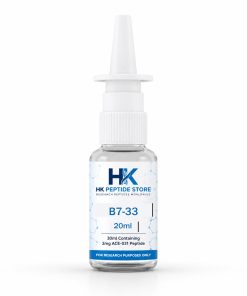
Pure Peptides
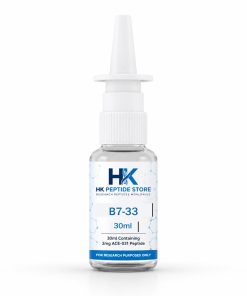
Pure Peptides
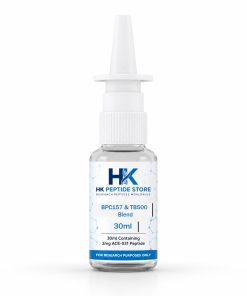
Pure Peptides
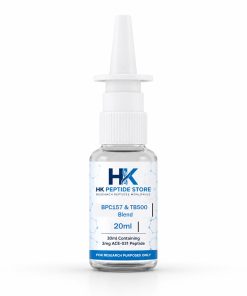
Pure Peptides
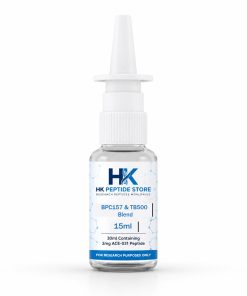
Pure Peptides
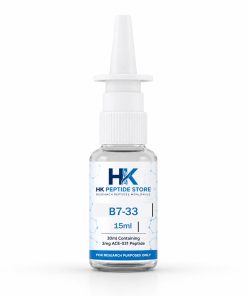
Pure Peptides
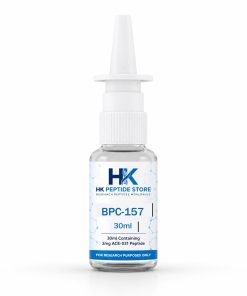
Pure Peptides
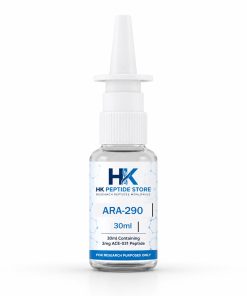
Pure Peptides
Pure Peptides
UK Peptide Online: How to Find Reliable Research Peptides
Finding reliable research peptides online requires a careful approach. As peptide research continues to expand across molecular biology, biotechnology, pharmaceutical development, and other scientific fields, researchers have more options than ever before.
However, having more options also creates a greater need for careful evaluation. A professional-looking website does not automatically guarantee that a research peptide has been properly characterized. Likewise, a high advertised purity percentage does not provide a complete picture of product quality.
When searching for a UK peptide online, researchers should therefore look beyond price and product names. Instead, they should examine analytical documentation, peptide identity, purity, batch information, storage requirements, supplier transparency, and research-use statements.
This second part of our guide provides a practical framework for evaluating peptide suppliers and research materials online.
What Should Researchers Look for in a UK Peptide Online Store?
A good research-peptide website should make important technical information easy to understand.
Researchers should be able to identify what a product is, what specifications are provided, how it has been tested, and how the material should be handled.
Important information can include:
-
Peptide identity
-
Sequence or molecular information
-
Purity specification
-
Batch or lot number
-
Certificate of Analysis
-
HPLC information
-
Mass spectrometry data
-
Storage instructions
-
Product quantity
-
Research-use statement
-
Supplier contact information
Clear information helps researchers make decisions based on evidence rather than promotional claims.
Why Peptide Identity Is Important
Before evaluating purity, researchers should first establish what peptide they are dealing with.
Peptides can have similar names, abbreviations, sequences, or modified forms. Even relatively small structural differences can be scientifically significant.
Therefore, researchers should confirm the exact identity of the material they intend to investigate.
Useful documentation may include molecular weight, sequence information, analytical testing, and other relevant product specifications.
Mass spectrometry can be particularly useful for supporting molecular-weight assessment. When combined with chromatographic analysis, it can provide researchers with a more complete picture of the material.
Understanding Peptide Purity
Purity is one of the most commonly discussed characteristics when searching for research peptides online.
However, researchers should understand what a purity percentage actually represents.
A purity result generally describes the proportion of the intended peptide detected relative to other detectable components under the particular analytical conditions used.
Consequently, a purity percentage should always be considered together with the analytical method.
Why the Testing Method Matters
Different analytical techniques provide different types of information.
HPLC can help separate components and evaluate chromatographic purity. Mass spectrometry can provide molecular-mass information. Other analytical techniques may provide additional information depending on the peptide and research requirements.
Therefore, researchers should avoid assuming that one test answers every quality question.
A more complete evaluation considers identity, purity, analytical methodology, batch information, and documentation together.
How to Read a Peptide Certificate of Analysis
A Certificate of Analysis, or CoA, can be one of the most useful documents when evaluating research peptides.
Researchers should review the document carefully rather than simply checking whether a CoA exists.
Information to Check
Depending on the supplier and laboratory, a CoA may contain:
-
Product name
-
Batch number
-
Test date
-
Purity result
-
Molecular weight
-
Analytical method
-
Appearance
-
Testing laboratory
-
Specification
-
Reported result
The most useful documentation should be connected to the specific batch being supplied.
A generic document that does not identify the relevant batch may provide less confidence than a batch-specific report.
Why Batch-Specific Documentation Matters
Imagine that a laboratory purchases the same peptide several months apart.
If the two samples have different batch numbers, researchers should be able to determine whether the analytical characteristics of each batch were documented.
This is especially important when experiments need to be repeated.
Batch information creates a link between:
Supplier → Product → Batch → Analytical Report → Laboratory Sample → Experiment
That chain of information supports traceability.
For this reason, researchers should retain relevant batch documentation as part of their laboratory records.
HPLC Testing for Research Peptides
High-performance liquid chromatography is widely used in analytical chemistry and peptide characterization.
The technique separates compounds within a sample according to their interactions with a chromatographic system. Researchers can then examine the resulting chromatogram.
For peptide research, HPLC can help provide information about:
-
Relative purity
-
Additional detectable components
-
Sample composition
-
Chromatographic behavior
However, HPLC should not be viewed as a universal quality guarantee.
The analytical result depends on the method, conditions, instrumentation, and interpretation. Researchers should therefore consider the complete analytical record.
Mass Spectrometry and Peptide Identification
Mass spectrometry is another important analytical technique.
It can provide information about the molecular mass of a detected compound. This can help researchers assess whether a sample is consistent with the expected peptide.
When HPLC and mass spectrometry are considered together, researchers can gain complementary information about a research material.
For more demanding research applications, laboratories may also use additional characterization methods according to their protocols.
Why Storage Conditions Matter
Peptide quality does not depend solely on manufacturing.
Storage and handling can also influence the condition of research materials.
Environmental factors can include:
-
Temperature
-
Moisture
-
Light
-
Oxygen
-
Repeated exposure
-
Handling conditions
Researchers should follow the specific storage instructions provided for the peptide being studied.
Laboratories should also ensure that staff understand the appropriate handling procedures before a research material is opened or prepared for an experiment.
Receiving Research Peptides
The quality-control process should begin when the package arrives.
Researchers can establish a simple receiving procedure.
Step 1: Inspect the Package
Check that the external packaging appears intact and that the product is appropriately labeled.
Step 2: Confirm the Product
Compare the received material with the order information.
Step 3: Record the Batch Number
Document the batch or lot number in the laboratory’s records.
Step 4: Review Documentation
Match the product with its available analytical documentation.
Step 5: Store the Material
Place the peptide into the appropriate storage conditions according to the supplier’s instructions and laboratory procedures.
This simple process can improve traceability from the beginning.
Choosing Between Different Peptide Suppliers
Researchers may encounter several suppliers offering similar research peptides.
Instead of choosing based solely on price, consider the overall quality of the information provided.
Supplier A: Limited Documentation
A supplier may offer a low price but provide little technical information.
Potential limitations include:
-
No batch-specific documentation
-
Limited analytical information
-
Unclear storage instructions
-
Minimal supplier information
Supplier B: Transparent Documentation
Another supplier may provide:
-
Product specifications
-
Batch information
-
Analytical documentation
-
Storage guidance
-
Research-use information
-
Clear customer support
Although price may differ, the second supplier may provide more useful information for scientific evaluation.
The best choice depends on the requirements of the research project, but documentation should always be part of the comparison.
Why Supplier Transparency Matters
Transparency is particularly valuable when working with scientific materials.
Researchers should be able to ask reasonable technical questions and obtain clear information about the products they are considering.
A transparent supplier should clearly distinguish:
Research information from medical claims.
This distinction matters because research peptides and licensed medicines are not automatically interchangeable.
A research material should not be marketed as though online availability proves medical approval or clinical effectiveness.
Research Peptides and UK Regulatory Considerations
Researchers working in the United Kingdom should understand that different types of peptide products can have different regulatory positions.
The Medicines and Healthcare products Regulatory Agency, or MHRA, regulates medicines in the UK and provides information about authorized medicinal products.
The MHRA’s product-information service allows users to search for medicines, active substances, licences, and associated regulatory documentation.
This means that researchers should verify the regulatory position of products when regulatory status is relevant to their project.
Online availability alone does not establish that a peptide has a UK marketing authorization.
Research Use Is Different From Medical Use
One of the most important distinctions when discussing peptides online is the difference between laboratory research and medical treatment.
A research peptide may be investigated for:
-
Molecular interactions
-
Cellular signaling
-
Receptor research
-
Structural studies
-
Drug discovery
-
Analytical research
-
Delivery research
None of these research applications automatically establishes that the material is safe or effective for human treatment.
Researchers should therefore maintain clear boundaries between experimental research and clinical medicine.
Building a Peptide Research Supplier Checklist
A checklist can make online supplier evaluation easier.
Before selecting a product, researchers can ask the following questions:
Product Questions
-
Is the peptide identity clearly stated?
-
Is the molecular information available?
-
Is the intended research use clearly explained?
Quality Questions
-
Is purity information available?
-
What analytical method was used?
-
Is HPLC information available?
-
Is mass spectrometry available where appropriate?
Documentation Questions
-
Is there a Certificate of Analysis?
-
Does the documentation identify a batch?
-
Does the batch information match the product?
Storage Questions
-
Are storage requirements clearly provided?
-
Is appropriate packaging used?
-
Are handling instructions available?
Supplier Questions
-
Is the supplier transparent?
-
Is technical support available?
-
Are product specifications easy to access?
-
Are research-use limitations clearly stated?
This checklist can help researchers avoid making decisions based solely on advertising.
What Does “High-Quality Research Peptide” Really Mean?
The phrase “high-quality research peptide” should be supported by evidence.
A strong research material should ideally have clear identity information, appropriate analytical characterization, traceability, and suitable handling instructions.
However, researchers should remember that quality requirements can vary depending on the experiment.
A peptide intended for one type of analytical investigation may have different requirements from a peptide being studied in a more complex biological model.
Therefore, the laboratory’s own research protocol should ultimately determine the specifications required.
Why Reproducibility Matters
Reproducibility is a central principle of scientific research.
If researchers cannot establish what material was used, it becomes more difficult to reproduce an experiment.
For peptide research, reproducibility can depend on:
-
Exact peptide identity
-
Batch
-
Purity
-
Preparation
-
Storage
-
Experimental conditions
-
Concentration
-
Protocol
-
Analytical methods
Recording these variables can make future comparisons more meaningful.
Keeping a Peptide Research Record
Laboratories can maintain a simple record for every peptide material.
A useful record may contain:
Product: Exact peptide name
Supplier: Company or laboratory supplier
Batch: Lot or batch number
Date received: Date material entered the laboratory
Purity: Reported analytical result
Testing: Relevant analytical methods
Storage: Required storage conditions
Documentation: CoA and related analytical records
Experiment: Study or protocol in which the material was used
This information can be valuable when repeating experiments months later.
Common Mistakes When Ordering Peptides Online
Several mistakes can make peptide sourcing more difficult.
Choosing Only by Price
The cheapest product is not necessarily the most suitable research material.
Trusting Marketing Claims Without Documentation
Terms such as “premium” or “ultra-pure” should be supported by appropriate analytical information.
Ignoring Batch Numbers
Without batch information, connecting a sample to its documentation can become difficult.
Neglecting Storage Requirements
Poor handling after delivery can compromise research materials.
Confusing Research Products With Medicines
A research peptide should not automatically be treated as an approved medicine.
Failing to Keep Records
Without documentation, reproducing or investigating an experiment can become more difficult.
Avoiding these mistakes can create a more organized and evidence-based sourcing process.
How HK Peptide Store Can Support Researchers
For an online research-peptide store, transparency should be a central part of the customer experience.
HK Peptide Store can support researchers by presenting product information in a clear and accessible format, including relevant specifications, research-use information, and available analytical documentation.
Researchers should review the information associated with each individual product rather than assuming that all peptides have identical characteristics.
The appropriate material should always be selected according to the scientific requirements of the experiment.
A Practical Approach to UK Peptide Online Research
Researchers searching for a UK peptide online supplier can simplify the process by following a consistent evaluation method.
Start with the scientific requirement.
Then identify the exact peptide needed.
Next, review product specifications and available analytical documentation.
After that, examine batch information and storage requirements.
Finally, evaluate the supplier’s transparency and ensure that the product’s intended research use is clearly understood.
This approach takes slightly more time than choosing the first product that appears in a search result. However, it provides a stronger foundation for responsible research.
The Future of Online Peptide Research
The online peptide market is likely to become increasingly connected with digital documentation and advanced analytical technologies.
Researchers may expect suppliers to provide more detailed product records, accessible certificates, improved batch traceability, and clearer technical information.
At the same time, advances in peptide chemistry, artificial intelligence, molecular modeling, and analytical science are likely to expand the range of research materials available to laboratories.
The future of peptide sourcing will therefore involve more than simply placing an online order.
It will increasingly involve documentation, traceability, analytical confidence, and scientific transparency.
Conclusion
Finding a reliable UK peptide online supplier requires a research-focused approach.
Researchers should evaluate more than product names and prices. Identity, purity, HPLC testing, mass spectrometry, batch documentation, storage conditions, supplier transparency, and research-use information all contribute to a better understanding of a peptide material.
A Certificate of Analysis can provide valuable batch-specific information, while analytical techniques such as HPLC and mass spectrometry can provide complementary information about purity and molecular characteristics.
At the same time, researchers should clearly distinguish research materials from licensed medicines. Online availability does not establish regulatory approval, safety, or clinical effectiveness.
For laboratories, the best approach is simple: identify the research requirement, verify the material, review the documentation, maintain traceability, and follow appropriate laboratory and regulatory requirements.
By applying these principles, researchers can make more informed decisions when exploring peptide materials online and create stronger foundations for consistent, reproducible scientific research.
Frequently Asked Questions
How do I choose a UK peptide online supplier?
Look for clear product information, analytical documentation, batch identification, Certificates of Analysis, storage instructions, research-use labeling, and transparent supplier information.
What is the most important peptide quality factor?
There is no single factor that determines overall quality. Identity, purity, analytical testing, batch traceability, storage, and documentation should be considered together.
Should I only choose peptides with the highest advertised purity?
No. A purity percentage should be considered alongside the testing method, analytical documentation, peptide identity, and batch information.
What is a batch-specific CoA?
A batch-specific Certificate of Analysis is documentation associated with a particular manufacturing or testing batch. It can help researchers connect analytical results to the material they receive.
Why should researchers keep peptide batch numbers?
Batch numbers provide traceability. They allow researchers to connect a physical sample with its associated documentation and laboratory records.
Is HPLC enough to verify a peptide?
HPLC can provide valuable information about chromatographic purity, but it does not necessarily answer every question about identity or overall quality. Additional analytical methods may be appropriate depending on the research requirements.
Why is mass spectrometry used with peptide research?
Mass spectrometry can provide molecular-mass information and can complement chromatographic testing when assessing peptide identity.
How should researchers handle peptides after delivery?
Researchers should inspect the package, confirm the product and batch information, review the documentation, and follow the appropriate storage and handling requirements for the specific material.
Are online research peptides medicines?
Not necessarily. Research materials and licensed medicines are distinct categories. Researchers should verify the regulatory status and intended use of individual products.
Does UK availability mean a peptide is MHRA approved?
No. A product being available online does not automatically mean it has a UK marketing authorization.
Why is supplier transparency important?
Transparent suppliers make it easier for researchers to evaluate products using technical information rather than relying only on promotional claims.
Can price be used to judge peptide quality?
Price alone is not a reliable measure of quality. Researchers should compare documentation, analytical testing, traceability, storage information, and supplier transparency.